


Honeycomb panels are changing how builders think about energy efficiency and sustainable design. The unique honeycomb structure, found in products like Chenshou Tech’s Aluminum Honeycomb Panels, traps air and limits heat flow. This improves thermal insulation and sound absorption. Honeycomb panels use less material and weigh less than traditional options, which means a lower carbon footprint. Many construction companies now choose honeycomb panels for their strength, durability, and environmental benefits.
- The honeycomb panels market is growing fast as more builders look for green and energy-saving materials.
- Honeycomb panels stand out for their excellent insulation and lightweight design, which help save energy in buildings.
- Builders use honeycomb panels to support modern green building practices and promote sustainability.
Energy Efficiency Benefits
Thermal Insulation
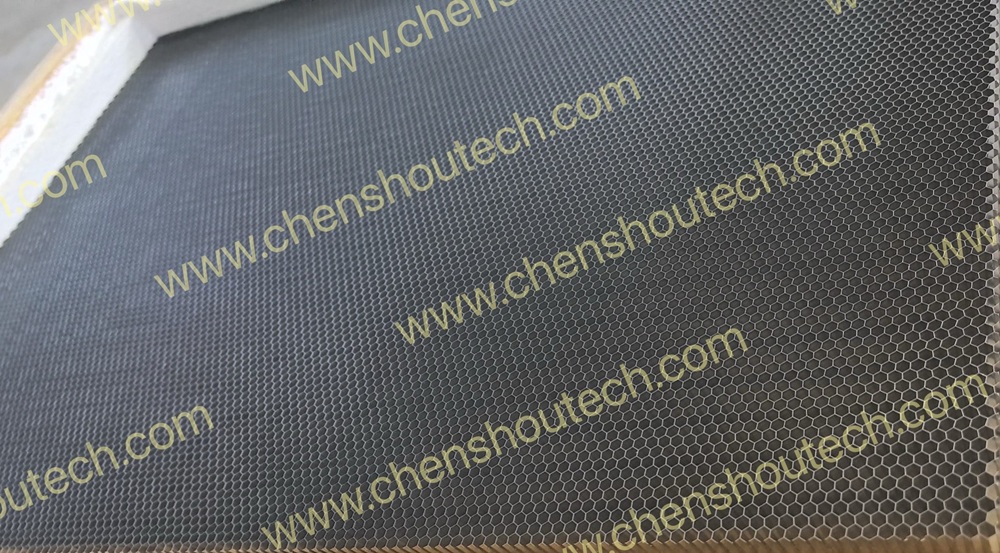
The honeycomb structure is a breakthrough in building technology. Each panel contains a network of hexagonal cells. These cells trap air, which acts as a barrier to heat transfer. This design helps keep indoor temperatures stable throughout the year. The honeycomb core reduces the flow of heat, making it an excellent choice for heat insulation.
Chenshou Tech’s aluminum honeycomb panel stands out for its high-performance insulation. The combination of two aluminium sheets and a honeycomb core creates a lightweight yet strong panel. Builders use this panel to improve energy efficiency in both new and renovated buildings. The panel’s heat insulation properties help maintain comfortable indoor environments, even in extreme climates.
The study by Hum et al. indicates that a composite honeycomb structure with an air gap achieved a 39% reduction in total thermal conductivity, showcasing significant thermal insulation performance improvements. Additionally, Berkefeld et al. examined honeycomb composites made of paper honeycomb and aerogel, further emphasizing the advancements in insulation materials.
The investigation by Shi et al. into the energy band structure of sandwich panels calculated their equivalent thermal resistance, providing quantitative insights into their thermal insulation capabilities.
The study highlights that the thickness of the panel's core cells significantly affects the thermal insulation performance of honeycomb panels, particularly in triangular and hexagonal core designs, which is crucial for optimizing insulation materials.
The hexagonal cells in the honeycomb structure create many air pockets. These pockets serve as natural insulators. This design reduces heat transfer, so buildings stay warm in winter and cool in summer. As a result, the aluminum honeycomb panel supports energy saving and lowers the need for extra heating or cooling.
Lower HVAC Demand
When a building uses honeycomb panels with strong insulation, the demand for heating, ventilation, and air conditioning (HVAC) systems drops. The aluminium honeycomb panel from Chenshou Tech helps reduce the energy needed to keep indoor spaces comfortable. This leads to lower energy bills and less strain on building systems.
| Evidence Description | Findings |
|---|---|
| Optimization of hexagonal aperture configurations | Enhanced natural ventilation and reduced cooling load in high-rise buildings. |
| Edge-to-center (EC) configuration | Achieved the highest comfort percentage and significant reduction in cooling energy use intensity (EUI). |
| Methodology | Combined CFD analysis and seasonal energy simulations to assess ventilation performance. |
Many real-world projects show the benefits of honeycomb panels:
- A high-rise office building renovation used aluminum honeycomb panels for exterior cladding. This improved thermal insulation and reduced energy use while giving the building a modern look.
- A contemporary art museum installed honeycomb panels in walls. This improved acoustics and created open, inviting spaces, showing both functional and aesthetic advantages.
The honeycomb structure offers excellent insulation, which means less need for frequent air conditioning. In places with hot or cold weather, buildings require less heating or cooling. This boosts energy efficiency and supports energy saving goals. Honeycomb panels with phase change materials can also increase thermal inertia. This means they store and release heat slowly, further improving energy efficiency over time.
Note: Using aluminium honeycomb panels can help buildings achieve energy saving targets and lower operational costs. The panels’ heat insulation and lightweight design make them a smart choice for sustainable construction.
Lightweight and Resource Savings
Reduced Material Use
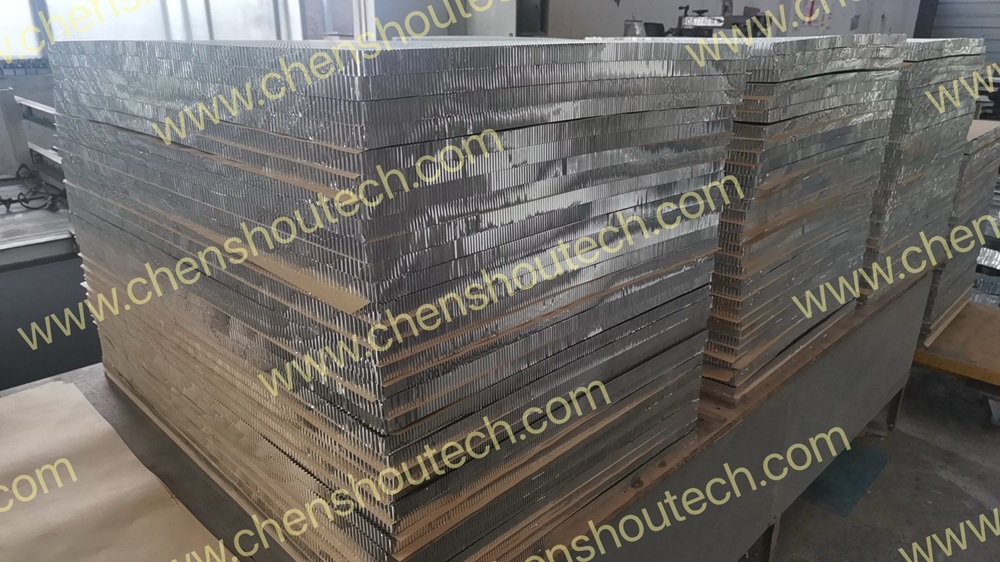
The honeycomb panel stands out for its impressive strength-to-weight ratio. This means it can support heavy loads while staying light. The unique structure uses hexagonal cells made from aluminium, which gives the panel high rigidity and excellent impact resistance. Compared to solid aluminium sheets, the honeycomb panel is much lighter but just as strong. This design allows builders to use less material without sacrificing safety or performance.
| Feature | Aluminum Honeycomb Panel | Solid Aluminum Panel |
|---|---|---|
| Weight | Lightweight | Heavier |
| Strength-to-weight ratio | High | Moderate |
| Impact resistance | Excellent | Moderate to low |
Using less material helps conserve resources. The honeycomb panel has the largest strength-to-volume ratio among plate structures. Its density is about 30-50kg/m, which makes it more cost-effective than traditional materials like wood or steel. Builders can use honeycomb panels for wall cladding, roofing, and interior partitions. The cellular core also provides natural insulation, which helps reduce energy use in buildings.
The lightweight nature of the honeycomb panel makes installation easier. Large panels can be handled and placed quickly, which saves time and reduces labor costs. This efficiency helps keep construction projects on schedule.
Lower Transportation Emissions
Transporting building materials can create a lot of carbon emissions. The honeycomb panel, made with aluminium, is much lighter than plywood or metal sheets. This lower weight means trucks use less fuel to deliver panels to construction sites. As a result, transportation emissions drop, and logistics costs decrease. Manufacturers and retailers benefit from these savings, and the environment does too.
Honeycomb panels are a smart choice for builders who want to save resources and reduce their carbon footprint. Their versatility, strength, and ease of installation make them ideal for modern, energy-efficient buildings.
Sustainability and Environmental Impact
Recycled Aluminum Core
The honeycomb panel from Chenshou Tech uses a recycled aluminum core. This choice supports sustainability in construction. Recycling aluminum saves up to 95% of the energy needed for new aluminum production. The process of recycling aluminium also reduces the carbon footprint of each panel. Using recycled materials in honeycomb panels means less waste and lower emissions. The honeycomb structure allows for efficient use of resources, making these panels a top choice for environmentally friendly projects.
- Recycling aluminium in honeycomb panels supports environmental protection.
- Aluminum honeycomb panels have up to 95% recyclability, making them sustainable materials.
- The materials can be separated and reused without losing strength, which supports the circular economy.
- Honeycomb panels help reduce waste compared to traditional materials.
Durability and Low Maintenance
Durability is a key factor in sustainability. Honeycomb panels last longer than many traditional materials. This reduces the need for frequent replacements and lowers the environmental impact over the building’s life. The honeycomb structure gives each panel strength and stability. Less maintenance means fewer resources are used for repairs and upkeep, which supports environmental protection.
| Feature | Aluminum Honeycomb Panels | Fiberglass Honeycomb Panels |
|---|---|---|
| Average Lifespan | 5-8 years | Longer lifespan, often exceeding 10 years |
| Maintenance Costs | Higher due to corrosion | Lower due to superior resistance |
| Corrosion Resistance | Moderate | Excellent |
| Repair Complexity | Moderate | Easier repairs |
- Honeycomb panels have a longer lifespan, which reduces waste and resource use.
- Traditional materials like cardboard need frequent replacement, increasing environmental impact.
- The durability of honeycomb panels means less landfill waste and a smaller carbon footprint.
| Benefit | Description |
|---|---|
| Reduced Waste | Eliminates the need for traditional materials, leading to savings and less waste. |
| Lower Carbon Footprint | Requires less maintenance, thus reducing the carbon footprint associated with upkeep. |
| Energy Efficiency | Contributes to energy savings on heating and cooling due to effective insulation properties. |
| Durability | Long-lasting materials that produce less waste and maintain strength over time. |
Green Building Certifications
Honeycomb panels play a major role in green building certifications. These panels help projects earn points in programs like LEED, BREEAM, and Green Globes. Using recycled aluminum in honeycomb panels supports credits for recycled content and waste management. The thermal insulation properties of the honeycomb structure improve energy performance and lower pollution. Honeycomb panels also improve indoor air quality and support sustainable resource management.
- LEED awards points for using recycled aluminum and managing construction waste.
- BREEAM recognizes the energy performance and low environmental impact of aluminum honeycomb production.
- Green Globes values the recyclability and indoor air quality benefits of honeycomb panels.
- Honeycomb panels are lightweight, which reduces transport energy and carbon emissions.
- The modular design of honeycomb panels allows for efficient construction and better environmental performance.
Honeycomb panels support the circular economy and help builders meet sustainability goals. Their use of sustainable materials, recycling, and energy-saving features make them an environmentally friendly choice for modern construction.
Surface Properties and Urban Heat
Reflectivity and Cooling Costs
The surface properties of honeycomb panels play a big role in building energy performance. Aluminium honeycomb panels have a high level of reflectivity. This means they can reflect a large amount of sunlight instead of absorbing it. When buildings use these panels, less heat enters the building. This helps keep indoor temperatures steady, even during hot summer days.
- Aluminium honeycomb panels can lower HVAC loads by up to 30%. This leads to lower energy costs for air conditioning.
- These panels help maintain stable indoor temperatures all year. This reduces the need for heating and cooling systems.
- The high reflectivity of aluminium helps deflect solar radiation. This is important for lowering urban heat island effects and decreasing air conditioning demand in hot climates.
The unique honeycomb structure also improves sound and heat insulation. The panels are lightweight and durable, which makes them a smart choice for energy-efficient buildings. Their recyclability supports energy saving and environmental protection.
Urban Heat Island Mitigation
Urban heat islands happen when cities become much warmer than nearby rural areas. This is often caused by dark surfaces that absorb heat and a lack of green spaces. Honeycomb panels can help solve this problem. Their reflective aluminium surfaces send sunlight away from buildings, which keeps city temperatures lower.
Research shows that honeycomb townships can reduce urban heat island effects. By increasing green spaces and reducing road areas, these designs allow for larger gardens and parks. This helps cool the urban environment. The lightweight nature of honeycomb panels also means less energy is used during transportation and installation.
- Aluminium honeycomb panels are lightweight, which reduces transportation emissions.
- Their recyclability supports the circular economy and minimizes environmental impact.
- These panels are designed for sustainability and fit well with eco-friendly building practices.
Honeycomb panels made from aluminium last a long time and resist weather damage. Their durability and use of recycled materials make them a top choice for sustainable cities.
Honeycomb panels offer many benefits for modern construction.
- They provide excellent thermal insulation and help keep buildings quiet.
- These panels increase energy efficiency by reducing the need for heating and cooling.
- Many panels use eco-friendly materials, supporting sustainable manufacturing and closed loop recycling.
- Their design helps lower carbon emissions and supports no pollution goals.
Consider Chenshou Tech's Aluminum Honeycomb Panel for your next project. Consult with professionals to choose certified products that improve building performance and protect the environment.
FAQ
What is an aluminum honeycomb panel?
An aluminum honeycomb panel is a lightweight building material. It has two thin aluminum sheets bonded to a honeycomb core. This structure gives the panel strength, durability, and excellent insulation. Builders use it for walls, ceilings, and facades in modern construction.
How does the honeycomb structure improve energy efficiency?
The honeycomb core traps air inside its cells. This design reduces heat transfer through the aluminum honeycomb panel. As a result, buildings stay warmer in winter and cooler in summer. The honeycomb structure helps lower energy bills and supports sustainable building practices.
Can aluminum honeycomb panels be recycled?
Yes, aluminum honeycomb panels are highly recyclable. The aluminum sheets and honeycomb core can be separated and reused. Recycling aluminum honeycomb panel materials saves energy and reduces waste. This process supports green building goals and helps protect the environment.
Where are honeycomb panels commonly used?
Honeycomb panels appear in many places. Builders use aluminum honeycomb panel products for exterior cladding, partitions, ceilings, and floors. The honeycomb design also works well in transportation, such as trains and ships, because it reduces weight while keeping strength.
What makes aluminum honeycomb panels durable?
The honeycomb core gives the aluminum honeycomb panel its strength and stability. The panel resists impacts, moisture, and corrosion. This durability means less maintenance and a longer lifespan. The honeycomb structure ensures the panel stays flat and strong over time.
Post time: Feb-03-2026


