


Selecting the right aluminum honeycomb core starts with understanding the density and thickness needed for your project. These factors impact strength, weight, and performance. Matching specifications to mechanical, environmental, and cost requirements is essential. Chenshou Tech’s aluminum honeycomb core offers a modern solution for air conditioning and other applications.
Evaluate your project’s needs and choose a core that delivers optimal results.
- Aerospace and automotive sectors are leading users of honeycomb materials, driven by demand for lightweight and high-strength panels.
- Construction and marine industries are seeing rapid growth, with a projected market expansion of over 10% annually through 2033.
- Sustainable building practices and electric vehicles are increasing the need for advanced honeycomb solutions from a reliable Honeycomb Core Manufacturer.
Project Requirements
Load and Structural Needs
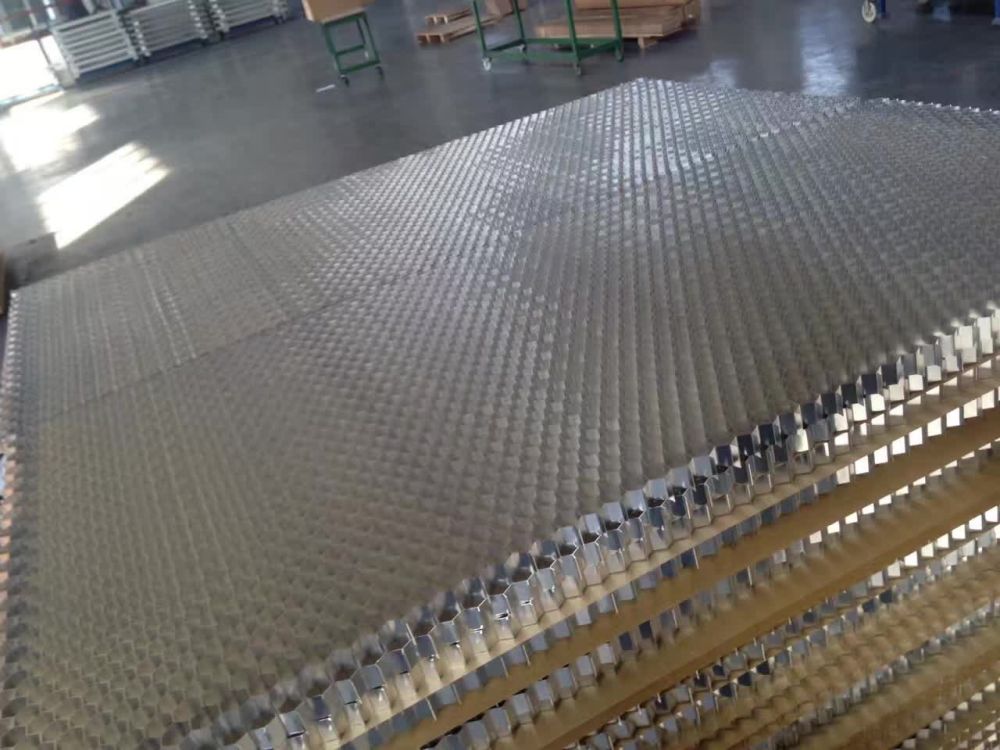
Every project starts with understanding the load that the honeycomb panel must support. The load can be static, like the weight of equipment, or dynamic, such as vibration from machinery. When choosing an aluminum honeycomb core, consider these mechanical requirements:
- Material quality affects durability and stability. Aluminum honeycomb core materials offer better mechanical properties than plastic alternatives.
- Core geometry, including cell size and wall thickness, changes how the honeycomb core panels handle load. Smaller cells increase strength, while larger cells lower weight.
- Core thickness is important for bending stiffness. Thicker honeycomb core panels resist bending and improve performance under heavy load.
For each load case, match the core density to the expected forces. Higher density means more strength, but also more weight. Chenshou Tech’s honeycomb core panels are designed to balance density and thickness for maximum efficiency in air conditioning, cladding, and partition systems.
Environmental Factors
Environmental conditions can change how a honeycomb panel performs over time. Consider the following factors when selecting core density and thickness:
| Environmental Factor | Impact on Performance |
|---|---|
| Extreme Temperatures | Can cause expansion or contraction, leading to warping or delamination. |
| High Humidity | Promotes growth of mold and mildew, weakening the core structure. |
| Chemical Exposure | Can corrode the material, reducing strength and durability. |
| UV Radiation | Breaks down polymer chains, making the material brittle and prone to cracking. |
| Mechanical Stress | Causes physical damage to the core due to impact or vibration. |
Chenshou Tech’s aluminum honeycomb core uses a special coating to resist moisture and oxidation, making it ideal for humid or challenging environments.
Application Types
Different applications require different honeycomb panel designs. The table below shows common types and their uses:
| Type of Honeycomb Core | Applications |
|---|---|
| Standard Hexagonal Honeycomb Core | Aerospace, Marine, Automotive, Construction |
| Overexpanded Honeycomb Core | Automotive, Aerospace, Marine |
| Micro-Cell Honeycomb Core | Aerospace, Medical, Electronics |
| Flexible Honeycomb Core | Automotive, Aerospace, Construction |
Chenshou Tech’s honeycomb core panels work well in air conditioning, wall cladding, partitions, and structural panels. Always match the core density and thickness to the specific load and performance needs of your project.
Core Density and Panel Thickness
What Is Core Density?
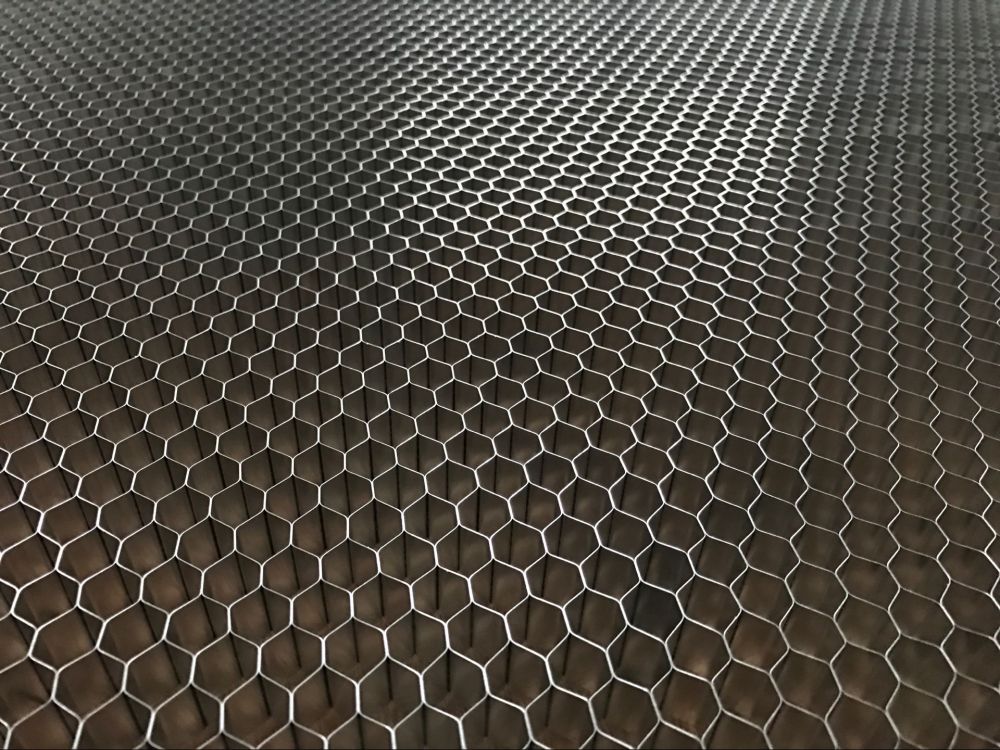
Core density describes how much material is packed into a given volume of the honeycomb structure. In an aluminum honeycomb core, density depends on the size of each cell and the thickness of the cell walls. Smaller cells and thicker walls create a denser core. This means more material supports the load, which increases strength. Larger cells and thinner walls make the core lighter but less strong.
The typical cell size for honeycomb panels ranges from 0.86 mm to 25.4 mm. Core thickness can vary from 1.5 mm to 200 mm. These values allow engineers to adjust the density and performance of honeycomb core panels for different uses.
Note: Chenshou Tech’s aluminum honeycomb core uses a unique hexagonal cell structure. This design provides excellent strength-to-weight ratio and ensures reliable performance in air conditioning, cladding, and partition systems.
Impact of Density on Strength and Weight
The density of a honeycomb core directly affects both the strength and the weight of the panel. A denser core means the panel can handle higher loads without failing. However, it also adds weight. Choosing the right balance is important for each project.
Here is a comparison of how cell size affects compressive strength, shear strength, and weight:
| Cell Size | Compressive Strength | Shear Strength | Weight Impact |
|---|---|---|---|
| Smaller Cells | Higher | Higher | Heavier |
| Larger Cells | Lower | Lower | Lighter |
- Smaller cell sizes lead to better load distribution. This results in higher compressive and shear strength.
- Larger cell sizes reduce strength but make the honeycomb panel much lighter. This is useful when weight savings are more important than maximum strength.
The relationship between core size, density, and weight can be seen below:
| Core Size | Density Impact | Weight Impact |
|---|---|---|
| Smaller Cells | Denser structure, increases density | Increases panel weight |
| Larger Cells | Less dense structure | Decreases panel weight significantly |
Chenshou Tech’s honeycomb core panels are designed to maximize the strength-to-weight ratio. This means you get high strength without unnecessary weight. The panels also provide excellent insulation and meet strict fire safety standards, making them ideal for modern building projects.
Panel Thickness and Rigidity
Panel thickness is a key factor in determining the rigidity and load-bearing capacity of honeycomb panels. Thicker panels have greater bending stiffness. This means they resist bending and deflection under heavy loads. For example, increasing the thickness of the aluminum face sheets makes the panel stronger and more durable. This is important for applications that require high impact resistance.
The distance between the outer skins, set by the core thickness, is essential for structural rigidity. Thicker honeycomb core panels can handle more force without bending. Typical panel thickness ranges from 10–20 mm for lightweight structures to 40–80 mm for structural flooring. Choosing the correct thickness ensures the panel meets deflection limits and performs well under operational loads.
Tip: Always match the panel thickness to the expected load and deflection requirements. Chenshou Tech’s panels offer superior flatness and rigidity, making them a reliable choice for demanding environments.
The combination of optimal core density and panel thickness gives honeycomb core panels their outstanding strength-to-weight ratio. This makes them suitable for a wide range of applications, from air conditioning systems to architectural cladding.
Selection Steps
Material and Alloy Choice
Choosing the right core material is the first step in honeycomb selection. Industry experts recommend high-grade alloys for aluminum honeycomb core panels. The most common alloys are 3003 and 5052. Each has unique properties:
| Alloy | Key Properties | Applications |
|---|---|---|
| 3003 | Cost-effective, good corrosion resistance | General-purpose, decorative cladding |
| 5052 | Higher strength, superior corrosion resistance | Marine, automotive, aerospace |
3003 alloy works well for moderate strength needs. 5052 alloy is best for high-load and harsh environments. Core material selection affects durability and performance.
Cell Size and Wall Thickness
Cell size and wall thickness are key considerations for specifying your panel. Larger cells (19–25mm) make honeycomb panels lighter. Smaller cells (3–6mm) increase strength and energy absorption. Studies show that reducing cell size and increasing wall thickness improves mechanical properties. For example, doubling foil thickness reduces deflection by over half. Facing thickness also matters. Thicker walls and smaller cells create denser honeycomb panels.
| Study | Findings |
|---|---|
| Crupi et al. | Cell size influences energy absorption and buckling |
| Yahaya et al. | Thicker foil and smaller cells reduce deflection |
| Foo et al. | Denser core increases peak load and reduces damage |
Optimal Thickness for Application
Panel thickness depends on the application. Use at least 4mm for outside walls and facades. Thicker panels are stronger and resist breaking. Facing thickness should be at least 0.21mm. Consider wind and building height when specifying your panel.
| Panel Thickness | Application |
|---|---|
| 3mm | Inside walls and signs |
| 4mm | Outside walls and facades |
| 6mm | Special needs (stronger) |
Core material selection and thickness ensure the honeycomb panel meets structural needs.
Finishing and Installation
Proper finishing and installation guarantee long-term performance. Inspect panels for defects and clean surfaces before installation. Measure precisely and align panels carefully. Install in suitable temperature and humidity. Seal joints with weather-resistant materials. Chenshou Tech’s aluminum honeycomb core comes with alloy keels for easy installation. This system allows quick assembly and repeatable migration. Facing selection and installation practices help maintain panel quality.
Tip: Always check structural stability and use secure fasteners. Safety equipment is important for high-rise projects.
Compliance and Safety
Industry Standards
Industry standards play a crucial role in ensuring the quality and safety of aluminum honeycomb core panels. These standards guide manufacturers and builders in selecting materials that meet strict requirements for structural durability and performance. The following table highlights key standards relevant to construction and manufacturing:
| Standard | Description |
|---|---|
| EN 13501-1 | Classifies the reaction to fire performance of construction products. |
| ASTM E84 | Standard test method for the surface burning characteristics of building materials in North America. |
| EN 45545 | Fire protection standards for railway vehicles. |
| AMS-QQ-A-250 | Standards for aluminum alloy sheet and plate. |
| AMS-C-7438 | Specifications for aluminum honeycomb cores. |
| AMS-A-25463 | Standards for modified epoxy film adhesives used in panels. |
| GB 18583 | Limits of harmful substances in adhesives used in building decoration. |
| ISO 9001 | Quality management certification indicating a robust quality management system. |
| Nadcap | Certification indicating process and product quality for aerospace and defense industries. |
Panels that meet these standards demonstrate high structural durability and consistent quality. Builders and engineers rely on these certifications to ensure panels perform reliably in demanding environments.
Fire and Environmental Ratings
Fire safety and environmental ratings are essential for protecting people and property. Aluminum honeycomb core panels must comply with regional fire standards. The table below shows important fire safety requirements:
| Region | Standard | Description |
|---|---|---|
| China | GB 8624 | Specifies fire safety requirements for materials. |
| Europe | EN 13501-1 | Classifies fire performance of construction products. |
| USA | ASTM E84 | Tests surface burning characteristics of building materials. |
| Germany | DIN 4102 | Defines fire behavior of building materials. |
Panels undergo fire tests in certified laboratories. These tests measure flame spread and toxic gas release. A lower flame spread index means better fire resistance. Aluminum honeycomb panels excel in humid environments. Their natural corrosion resistance and modern coatings prevent rust and water absorption. This reduces mold growth and maintains structural durability over time.
- Honeycomb panels resist fire spread and toxic gas release.
- Aluminum does not rust, making it suitable for wet areas.
- The non-porous surface prevents water absorption and mold.
Chenshou Tech’s aluminum honeycomb core meets GB-8624-B1 fire safety standards. It also offers moisture resistance and environmental friendliness, making it a safe and sustainable choice for modern projects.
Product Features
Thermal and Acoustic Insulation
Chenshou Tech’s Aluminum Honeycomb Core stands out for its excellent insulation properties. The unique hexagonal cell structure traps air, which slows down heat transfer. This feature helps maintain a stable indoor temperature and reduces energy use in air conditioning systems. The panels also block sound waves, making rooms quieter and more comfortable.
- The R-value for aluminum honeycomb core panels ranges from 2.5 to 3.5 per inch. This means the panels provide strong resistance to heat flow.
- The Noise Reduction Coefficient (NRC) can reach up to 0.95. This high rating shows that the panels absorb most sound, which is important for offices, schools, and hospitals.
Using these panels can lower energy bills and create a peaceful environment.
Moisture and Corrosion Resistance
Aluminum honeycomb core panels resist moisture and corrosion better than many other materials. The pre-rolling coating on Chenshou Tech’s panels prevents water from entering the core. This keeps the panels strong and free from mold or mildew, even in humid places.
- These panels have natural resistance to seawater corrosion.
- They absorb very little moisture, which helps them last longer.
- Compared to wood or steel, aluminum honeycomb panels need less maintenance and have a longer service life.
Builders can trust these panels for use in bathrooms, kitchens, and coastal buildings.
Lightweight and Eco-Friendly
The honeycomb design uses less material but keeps the panel strong. Chenshou Tech’s panels are about 70–80% lighter than solid aluminum or steel sheets. This makes them easy to handle and install, which saves time and labor costs.
| Certification | Benefits |
|---|---|
| LEED | Awards points for using recycled aluminum and managing construction waste |
| BREEAM | Recognizes energy performance and low environmental impact |
| Green Globes | Values recyclability and indoor air quality benefits |
- ISO 14001 certification shows a commitment to reducing waste, saving energy, and protecting the environment.
Choosing Chenshou Tech’s Aluminum Honeycomb Core supports green building and energy-saving goals.
Selection Checklist
A selection checklist helps ensure that every important detail is reviewed before choosing an aluminum honeycomb core. This process improves accuracy and saves time for engineers, builders, and project managers.
Review Requirements
Start by checking the essential requirements for your project. Use this list to guide your review:
- Inspect the quality of the aluminum foil. Make sure there are no visible defects.
- Decide on the best cell size and thickness for the strength and stiffness you need.
- Test the bonding strength between the cells and the aluminum foil.
- Choose a supplier with a strong reputation and positive customer reviews.
Tip: Request samples for third-party testing to confirm product consistency.
Confirm Density and Thickness
Next, confirm that the selected core density and thickness match your project’s needs. The table below shows what to check:
| Specification | Description |
|---|---|
| Density | Balances weight and load capacity. Lower density is lighter, higher density is stronger. |
| Cell size | Common sizes include 1/8″, 3/16″, and 1/4″. Smaller cells give more strength and stiffness. |
| Thickness | Select the right thickness for your application. Both full blocks and cut slices are available. |
Check technical support from your supplier. Ask if they can recommend the best combination for your project.
Verify Compliance and Budget
Finally, make sure your choice meets safety standards and fits your budget. Follow these steps:
- Define the application—structural or decorative.
- Assess the environment—indoor or outdoor.
- Check the load requirements and compare with manufacturer data.
- Review fire safety needs and local building codes.
- Select facing material for durability and appearance.
- Avoid suppliers who do not provide detailed specifications or test reports.
A checklist like this helps you avoid mistakes and ensures the aluminum honeycomb core will perform as expected.
Choosing the right aluminum honeycomb core involves several key steps:
- Select the best cell size, foil thickness, and core density for your project’s needs.
- Check the face sheet alloy and finish for strength and durability.
- Make sure the adhesive and bonding process provide lasting integrity.
Chenshou Tech’s panels offer advanced performance for modern buildings. Use the checklist for each project, and ask experts for help with complex designs.
FAQ
What is the main advantage of using aluminum honeycomb core panels?
Aluminum honeycomb core panels offer high strength with low weight. They provide excellent thermal and acoustic insulation. Builders use them to save energy and improve comfort in buildings.
How do I choose the right cell size for my project?
Select smaller cells for greater strength and stiffness. Larger cells reduce weight. Review your project’s load requirements and ask your supplier for recommendations.
Are Chenshou Tech’s panels suitable for humid environments?
Yes. Chenshou Tech’s panels feature a moisture-resistant coating. This prevents oxidation and mold growth. The panels perform well in bathrooms, kitchens, and coastal areas.
What fire safety standards do Chenshou Tech’s panels meet?
Chenshou Tech’s aluminum honeycomb core panels meet GB-8624-B1 fire safety standards. They resist flame spread and toxic gas release. Builders can use them in projects that require strict fire safety.
Post time: Mar-19-2026


