


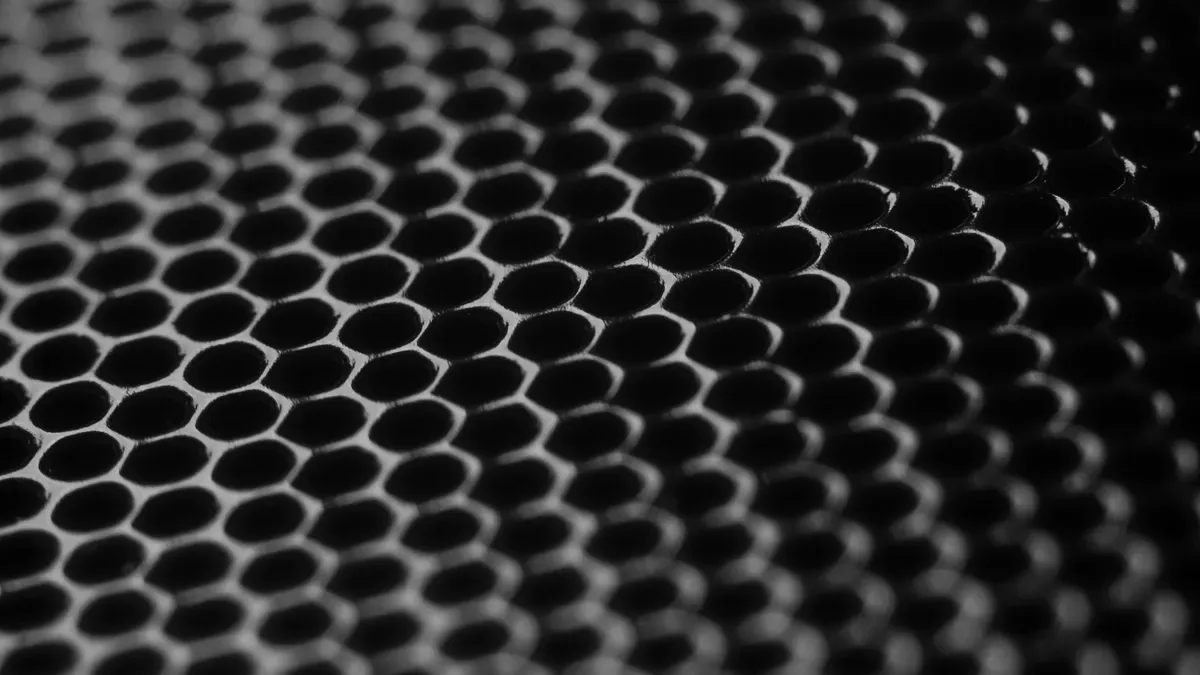
Selecting a high-quality product requires strict evaluation of material parameters, manufacturing precision, and vendor technical capability. Procurement managers frequently face severe operational challenges, including core cell inconsistencies, node bond failures, and unexpected delivery delays. Partnering with a trusted supplier mitigates these project risks effectively. Shanghai Cheonwoo Technology Co., Ltd. (Chenshou Tech) manufactures high-quality aluminum honeycomb cores for demanding commercial and industrial engineering applications. Integrating an unexpanded aluminum honeycomb core into structural sandwich panels optimizes overall stiffness. Furthermore, lightweight aluminum honeycomb grid structures enhance mechanical performance across marine and transit components. Premium aluminum foil selection maintains strength, while rigorous quality audits ensure exceptional long-term structural durability and reliability.
Key Takeaways
- Choose Grade 3003 aluminum for indoor panels or Grade 5052 aluminum for harsh outdoor environments.
- Smaller cell sizes increase strength, while unexpanded blocks reduce shipping costs and save storage space.
- Verify ISO 9001 certifications and ASTM test reports to ensure long-term structural durability and safety.
- Request physical core samples and audit supplier scorecards to prevent costly production delays.
- Partner with experienced manufacturers like Chenshou Tech to optimize your lightweight composite panel designs.
Technical Criteria for Aluminum Honeycomb Core

Selecting the right specifications for an aluminum honeycomb core ensures long-term operational success for demanding engineering projects. Technical teams must evaluate raw material alloy grades, adhesive formulation chemistry, and structural cell dimensions. Shanghai Cheonwoo Technology Co., Ltd. (Chenshou Tech) provides precision manufacturing capabilities to deliver high strength-to-weight ratios across diverse industrial applications. Evaluating overall component quality helps procurement managers avoid unexpected structural failures and select dependable materials.
Aluminum Foil Quality and Grade Selection
The alloy selection determines base mechanical strength and environmental resistance. Manufacturers utilize specific standard alloy grades during core fabrication. Grade 3003 offers reliable strength for standard indoor panels, while Grade 5052 provides superior resistance against harsh outdoor conditions.
| Performance Metric | Grade 3003 Aluminum | Grade 5052 Aluminum |
|---|---|---|
| Yield Strength (Typical Sheet) | 105–135 MPa | 165–220 MPa |
| Core Performance Metrics | Focuses on compressive and shear strength over basic sheet yield strength | Focuses on compressive and shear strength over basic sheet yield strength |
| Suitable Environments | Dry indoor settings, basic atmospheric conditions, and freshwater exposure | Marine, high humidity, salt spray, and outdoor corrosive settings |
| Corrosion Resistance Level | Adequate for low-corrosion or standard indoor applications | Superior durability against severe humidity and salt fog exposure |
Cell Size, Foil Thickness, and Density Options
Cell dimensions directly dictate overall mechanical performance and structural rigidity. Varying the hexagonal geometry allows engineers to tailor density and load-bearing properties for modern lightweight structures. Selecting appropriate cell dimensions ensures uniform stress distribution across the entire composite structure.
| Cell Size Variation | Effect on Density / Mass | Effect on Compressive Strength |
|---|---|---|
| Smaller Cell Size | Increases core density and panel weight | Delivers higher compressive strength by spreading applied loads more uniformly |
| Larger Cell Size | Decreases core density, significantly reducing overall panel mass | Lowers compressive strength due to the reduced structural material density |
A thinner foil combined with a larger cell size lowers overall weight. Conversely, thicker foil with smaller cells elevates rigidity and compression resistance. Chenshou Tech optimizes these parameters to meet exacting project demands without adding unnecessary mass.
Node Glue Quality and Adhesive Bond Strength
The adhesive system joins individual foil layers along parallel node lines. Advanced two-part epoxy node adhesives prevent premature delamination under heavy shearing forces. High glue quality preserves cell geometry during continuous thermal fluctuations. Weak adhesives lead to catastrophic bond failure under structural stress. Premium epoxy formulations guarantee consistent cell stability during high-pressure sandwich panel pressing.
Expanded vs. Unexpanded Formats
Suppliers deliver aluminum honeycomb core products in either fully expanded sheets or uncompressed blocks. The chosen format directly impacts shipping cost, storage efficiency, and factory handling routines when processing aluminum honeycomb stock.
- Unexpanded aluminum honeycomb blocks significantly reduce product volume compared to expanded sheets.
- Shipping in unexpanded form allows for highly cost-effective transportation and reduces the risk of damage during transit.
Fabricators expand the uncompressed material on-site using specialized expansion machines before bonding. Choosing unexpanded blocks optimizes indoor storage footprint prior to final panel assembly. Purchasing pre-expanded aluminum honeycomb sheets eliminates extra processing steps for immediate sandwich panel fabrication. Selecting the correct core material format optimizes production schedules while reducing total operational cost.
Quality Vetting and Manufacturer Certifications
Evaluating a supplier requires strict verification of industry credentials and operational history. Procurement managers must verify a manufacturer’s track record through documented market experience. Leading producers maintain at least 5 years of verified delivery history in demanding commercial sectors. Experienced suppliers consistently understand exact tolerance limits and bonding requirements.
Shanghai Cheonwoo Technology Co., Ltd. (Chenshou Tech) enforces rigorous factory quality systems to meet international standards. Certified facilities maintain full compliance with ISO 9001 and AS9100 quality frameworks. These standards guarantee structured material traceability across every production lot. Strict quality controls safeguard manufacturing consistency from raw foil inspection to final product packaging.
ISO 9001 and AS9100 Compliance
Quality assurance relies on standardized physical laboratory testing methods. Standardized audits verify raw material integrity before panel bonding operations begin. Engineers evaluate adhesive bond strength using ASTM C273 node bond shear testing procedures.
ASTM C273 flatwise shear testing directly measures node line bond strength, while ASTM C365 flatwise compression testing determines maximum load capacity before core crushing occurs.
Additional environmental audits subject the core to salt spray exposure per ASTM B117 standards. Exposure testing verifies anti-corrosion treatments on the raw aluminum surface. Standardized testing guarantees long-term durability in high-humidity or marine environments.
Mechanical Testing and Load-Bearing Audits
Comprehensive testing protocols validate the mechanical performance of structural cores under dynamic stress. Specialized load audits measure core resilience during bending, crushing, and twisting conditions. Factory quality audits prevent internal cell collapse under high continuous pressures.
These audits ensure that each structural core maintains its geometric shape under extreme operational stress. Stable cell geometry distributes kinetic energy evenly across the component surface. Verified load capacities prevent premature fatigue and extend the service life of finished assemblies.
Structural Performance of Aluminum Honeycomb Panels
Combining lightweight aluminum honeycomb cores with solid skin sheets yields exceptional structural stiffness. The interior cell geometry optimizes overall rigidity without adding significant dead weight. This unique design makes the composite material ideal for high-load structural applications.
Engineers specify these lightweight panels for high-stress transport systems, marine hulls, and aerospace structures. High-grade aluminum foil resists impact loads and prevents catastrophic structural failure. Optimal core bonding elevates overall safety across every advanced engineering application.
Customizing High-Quality Aluminum Honeycomb Cores
Manufacturing high-quality aluminum honeycomb cores requires exact tailoring for demanding engineering projects. Specialized factory production techniques adapt raw core materials to match distinct customer specifications and structural requirements.
Precision CNC Shaping and Cut-to-Size Options
Factory machining shapes expanded aluminum honeycomb stock into precise geometries. Skilled technicians utilize five-axis CNC routers to cut complex edge profiles, chamfers, and tight radius curves. Precision trimming reduces assembly line labor time and minimizes jobsite material scrap. Custom pre-cutting cuts total processing cost during composite panel fabrication.
Advanced manufacturing equipment maintains tight dimensional tolerances across every production batch. Machining complex contours creates an accurate custom fit for specialized structural components. Exact factory sizing optimizes overall system weight while preserving necessary mechanical rigidity.
Fire Resistance and Thermal Insulation Customizations
Metal core assemblies offer superior safety in high-temperature commercial environments. All-metal construction ensures non-combustible behavior during severe thermal events. Official third-party testing verifies compliance across international fire safety frameworks.
| Certification Standard | Rating / Grade | Material Structure | Fire Performance Characteristics |
|---|---|---|---|
| EN 13501-1 | A2-s1, d0 | All-aluminum honeycomb assembly | Virtually non-combustible; eliminates toxic gas and burning debris |
Enclosed hexagonal cells trap static air, which reduces conductive heat transfer across the structure. Pure aluminum resists thermal degradation, extending product durability in harsh operational settings. Building designers rely on these unique thermal properties to boost overall energy efficiency in curtain wall systems.
Specialized Core Solutions for Composite Panels
Integrating an aluminum honeycomb core into multi-layer composite structures improves structural rigidity. Specifiers select facing skins like fiber composites or structural aluminum sheets to achieve maximum performance. Selecting the proper core material guarantees uniform adhesive coverage and prevents internal debonding under heavy operational loads.
Engineers frequently specify micro-perforations on expanded aluminum honeycomb blocks. Surface perforations let trapped hot gases escape during high-temperature press curing cycles. Tailored core geometries reduce total production cost while expanding panel utility across every industrial application.
Strategies to Evaluate an Aluminum Honeycomb Supplier
Selecting a reliable vendor requires thorough qualification methods. Procurement teams must examine engineering documents, inspect physical prototypes, and audit factory operations. Shanghai Cheonwoo Technology Co., Ltd. (Chenshou Tech) maintains transparent manufacturing data to simplify vendor validation for technical buyers. Structured evaluation strategies reduce procurement risks and protect project schedules. Evaluating core performance early prevents costly operational delays.
Reviewing Technical Data Sheets and Test Reports
Engineering teams must review batch-specific test reports before placing production orders. Technical Data Sheets provide essential proof of raw material purity and mechanical capability. Validating chemical properties prevents premature structural failure in harsh operating environments. Laboratory documentation confirms overall core stability under heavy stress.
Key metrics to verify on a batch-specific Technical Data Sheet (TDS) include:
- Exact Alloy Composition: Verifying the overall chemical makeup of the metal.
- Manganese (Mn) Percentage: Confirming the precise proportion of Mn present in the batch.
- Magnesium (Mg) Percentage: Ensuring the specific concentration of Mg meets requirements.
Verifying these chemical ratios ensures proper material strength. Mill test reports confirm that raw metal sheets meet strict structural requirements. Reviewing third-party lab results guarantees high material quality across every incoming delivery batch. Buyers must verify each metric against project specifications before approving shipment.
Evaluating Core Samples and Prototype Capabilities
Requesting physical samples allows engineers to evaluate core geometry directly. Technical teams test cell uniformity, node bond adhesion, and surface flatness under pressure. Inspecting physical slices reveals node glue defects before full-scale manufacturing starts.
Fabricators also evaluate prototype response during expansion and cutting steps. Unexpanded blocks must stretch smoothly without tearing cell walls. Precise cell opening ensures even load distribution across composite panels. Testing custom samples helps engineers optimize processing methods. Efficient material processing ultimately lowers overall production cost during panel fabrication. High-grade alloy foil maintains cell wall integrity during heavy mechanical handling. Prototype testing ensures smooth integration into final assembly lines.
Conducting On-Site Audits and Vendor Scorecards
On-site factory inspections confirm true production capacity and production control standards. Audit teams evaluate facility size, machine automation, and staff technical expertise. Structured vendor scorecards provide objective ratings across critical operational categories. Plant visits reveal actual workflow efficiency and process control rigor.
| Evaluation Category | Specific Audit Factors & Metrics | Key Thresholds / Targets |
|---|---|---|
| Management Systems & Traceability | ISO certifications and material verification | ISO 9001 compliance; full alloy traceability |
| Operational Scale | Manufacturing footprint and technical personnel | Operations > 4,000 m²; 30+ technicians |
| Service Performance | On-time delivery rate and customer communication speed | >95% delivery rate; <4-hour response time |
| Product Testing & Performance | Structural integrity and dimensional tolerance | Node bond strength, surface finish, accurate dimensions |
| Supplier Reputation | Historical customer feedback and repeat business | Positive customer reviews; high reorder rates |
Auditing facilities using standardized scorecards protects long-term supply chain security. A certified manufacturer demonstrates strong technical capabilities and reliable customer service. Selecting an audited aluminum honeycomb core structure ensures consistent product delivery for critical projects. Thorough vendor auditing secures project outcomes and guarantees long-term structural durability.
Supply Chain Reliability and Lead Times
Factory Production Capacity and Scalability
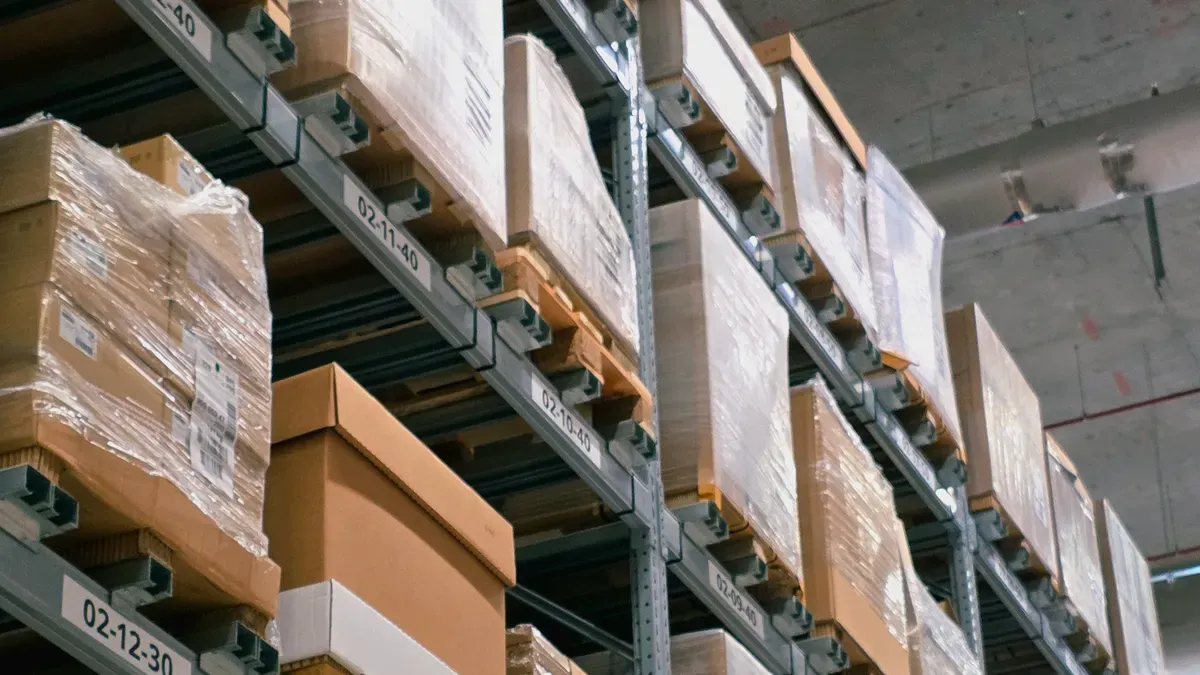
High production capacity ensures large orders move smoothly through automated factory lines. Scalable manufacturing facilities adjust output volume quickly when structural demands increase. Advanced processing machinery maintains strict cell dimensions while managing total panel weight.
Modern production lines lower operational cost through efficient material processing. Controlling total project cost remains critical for large manufacturing contracts. Efficient factory workflows provide a cost-effective solution for high-volume structural projects.
On-Time Delivery and Lead-Time Guarantees
Material availability depends on strategic raw foil inventory control during global supply disruptions. Proactive manufacturers implement structured risk management practices to protect delivery schedules.
| Mitigation Strategy | Operational Action | Impact on Delay Reduction |
|---|---|---|
| Vertical Integration | Manage the full processing cycle in-house. | Decreases dependency on external third parties. |
| Dual-Sourcing Agreements | Establish backup supply contracts for essential inputs. | Safeguards material availability against bottlenecks. |
| Inventory Strategy Shift | Move from Just-In-Time to storing a 30-day safety stock. | Creates a buffer against extended shipping lead times. |
| Integrated Partnerships | Collaborate with partners controlling metal sourcing. | Enables rapid real-time adjustments to schedules. |
Establishing these operational buffers prevents expensive assembly delays on active construction jobs. Maintaining constant material inventory ensures reliable fulfillment for strict delivery deadlines.
Technical Support and Post-Purchase Service
Comprehensive technical service helps client engineering teams optimize composite panel processing methods. A dependable supplier provides ongoing guidance across every production phase.
Engineers offer key design support services during project development:
- Application Assessment & Material Selection: Evaluating specific application needs to validate appropriate composite materials.
- Simulation & Analysis (CAE/FEA): Utilizing computer-aided engineering to virtually evaluate structural performance.
- Design & Process Optimization: Refining part geometries early to enhance overall product quality.
- Tooling & Prototype Development: Creating prototype programs to validate aluminum honeycomb core designs.
Dedicated technical assistance minimizes fabrication errors during final component assembly. Expert guidance ensures long-term performance across every aluminum honeycomb project.
Selecting a reliable supplier requires matching technical specifications, verifying certifications, and testing physical core samples. Choosing a high-grade aluminum honeycomb core delivers key weight reduction advantages:
- Transportation Sector: Yields substantially lighter structural panels compared to solid metals, directly enhancing overall fuel efficiency.
- Construction Sector: Lowers the total dead load on structures without compromising material strength, durability, or long-term operational reliability.
Partnering with Chenshou Tech guarantees superior structural performance and energy efficiency. Engineers and procurement managers should contact our technical team today to request technical data sheets, order aluminum honeycomb sample kits, or receive custom project quotes for high quality aluminum components.
Frequently Asked Questions
What aluminum alloy grades are commonly used for honeycomb cores?
Manufacturers primarily use Grade 3003 and Grade 5052 aluminum alloys. Grade 3003 provides reliable strength for standard indoor panels. Grade 5052 offers superior corrosion resistance against high humidity, salt spray, and harsh marine environments.
What is the difference between expanded and unexpanded core formats?
Unexpanded blocks ship as compressed material to reduce transportation costs and save storage space. Fabricators stretch these uncompressed blocks into expanded honeycomb sheets on-site using specialized expansion equipment before bonding them into final composite panels.
How do engineers evaluate the mechanical strength of honeycomb cores?
Testing laboratories follow strict standard procedures to measure structural capability. Technicians use ASTM C273 testing to evaluate node bond shear strength. Additionally, ASTM C365 flatwise compression tests determine maximum compressive load capacity before core crushing occurs.
Are aluminum honeycomb cores fire resistant?
Yes, all-metal aluminum core assemblies are non-combustible. High-quality aluminum honeycomb structures achieve an EN 13501-1 A2-s1, d0 rating. This construction prevents toxic gas release and eliminates burning debris during thermal exposure.
Post time: Aug-05-2026


