


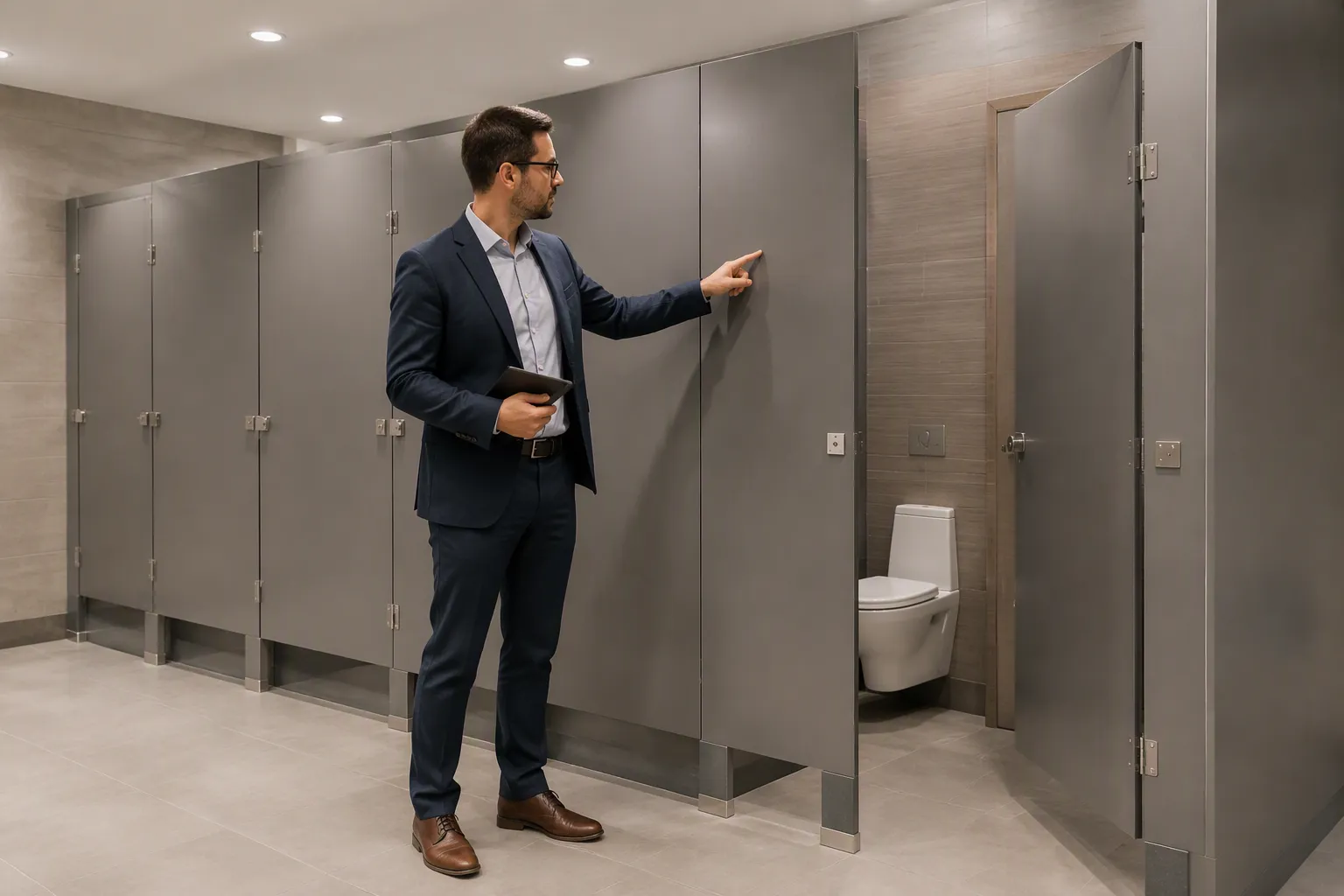
The right toilet partition panel mixes material strength, cost, installation type, and looks for your building. Restrooms shape what customers think fast. Research shows 85 percent of adults get a bad impression of a business with a dirty restroom. A poor panel choice causes repeated repairs or early replacement. Focus on four things: material, installation, sustainability, and color. These elements help you pick commercial bathroom partitions that handle daily use and stay looking clean.
Key Takeaways
- Choose your panel material based on how much traffic and moisture it will face, so you can avoid early repairs.
- Pick floor-mounted, ceiling-hung, or overhead-braced setups for stalls that stay steady and are easy to clean.
- Pick HDPE or phenolic panels for restrooms that last a long time, help the planet, and cut down on waste.
- Measure the depth and width of the stall from the finished walls to follow ADA rules and stop mistakes.
Toilet Partition Panel Materials Compared
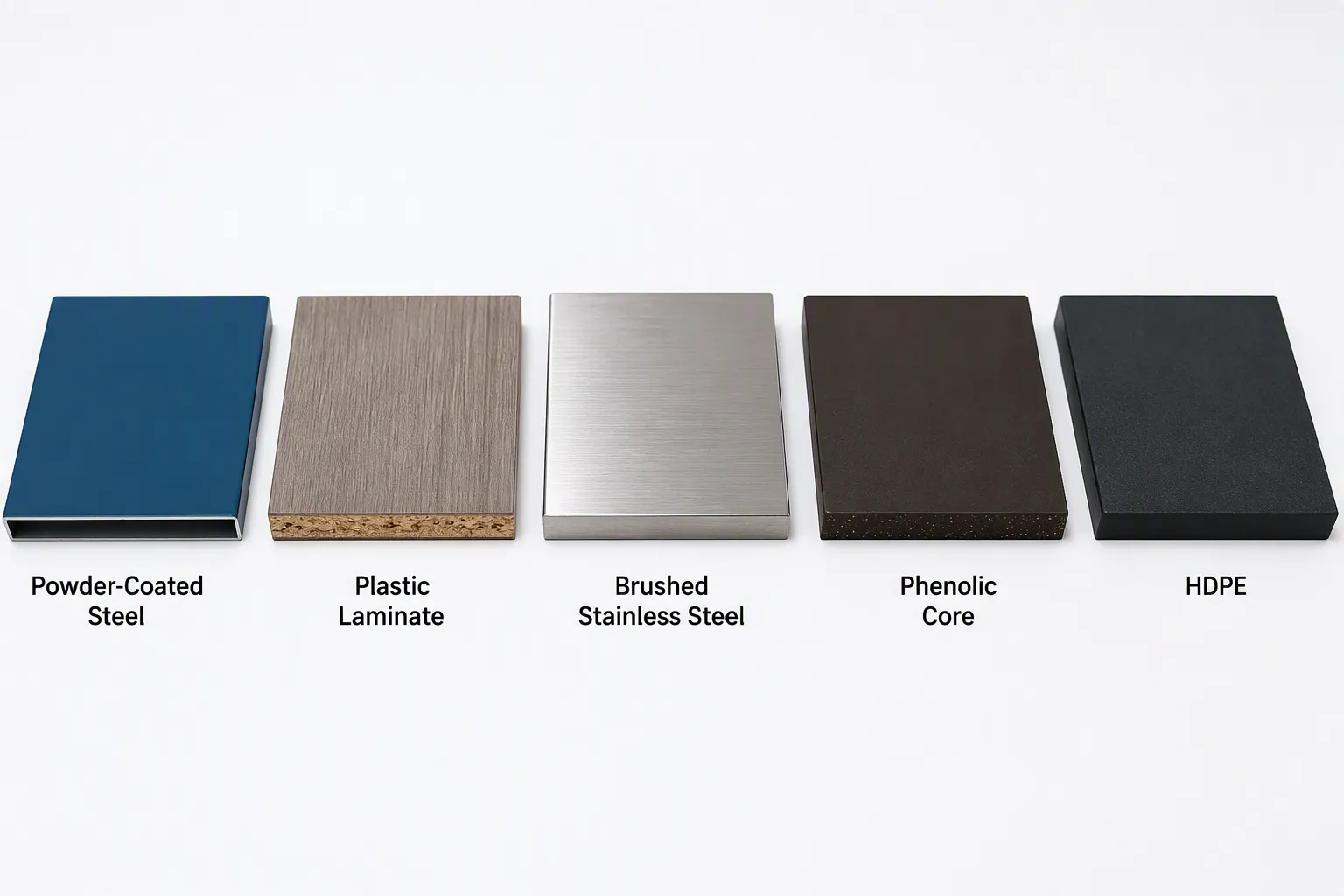
Choosing a material affects everything else in a commercial restroom project. The two biggest factors are how many people use it and how much moisture there is. A busy airport needs different materials than a quiet office. The sections below compare options from low-cost to high-end.
Budget Options: Powder-Coated Steel and Laminate
Powder-coated steel costs less at first. The painted finish resists scratches and is easy to clean. But this material does not last as long in busy places. Powder-coated steel partitions last 10 to 15 years in high-traffic commercial restrooms. Over time, moisture can cause rust at cut edges and hardware points.
Plastic laminate is another low-cost option. A decorative surface is glued to a particle board or resin core. Laminate gives very good moisture resistance at a low cost. Powder-coated steel gives good moisture resistance at the same cost. The table below shows this comparison.
For high-moisture or high-traffic areas, materials like phenolic or HDPE are often the best choice. Powder-coated steel or laminate can be ideal for more controlled environments.
Premium Options: Stainless Steel, Phenolic, and HDPE
Stainless steel partitions resist vandalism and handle harsh cleaning chemicals. These panels cost more, but they have a sleek, modern look. Stainless steel partitions usually come with a five-year warranty. Some manufacturers offer lifetime warranties on some lines.
Phenolic core panels work great in wet areas. The dense resin core resists moisture, impact, and graffiti. Phenolic materials usually have a 25-year warranty. This makes them a good choice for stadiums, schools, and transit hubs.
HDPE (high-density polyethylene) can handle heavy impact without denting. The solid plastic surface resists graffiti and scratches. HDPE materials also come with a 25-year warranty. These panels work well in parks, pools, and other tough places.
One featured toilet partition panel has an HPL surface with an aluminum honeycomb core. This build gets a B1 fire rating. The panel resists moisture and impact. Thickness choices go from 12mm to 50mm. Custom sizes can be up to 2000×12000mm. A 15–20 year warranty backs each panel. The HPL surface accepts custom colors, wood grains, and stone patterns.
Each material has a different use. Budget options work for low-traffic, climate-controlled spaces. Premium materials are worth their cost in tough environments. The next section covers how to install these panels.
Installation Types for Commercial Bathroom Partitions
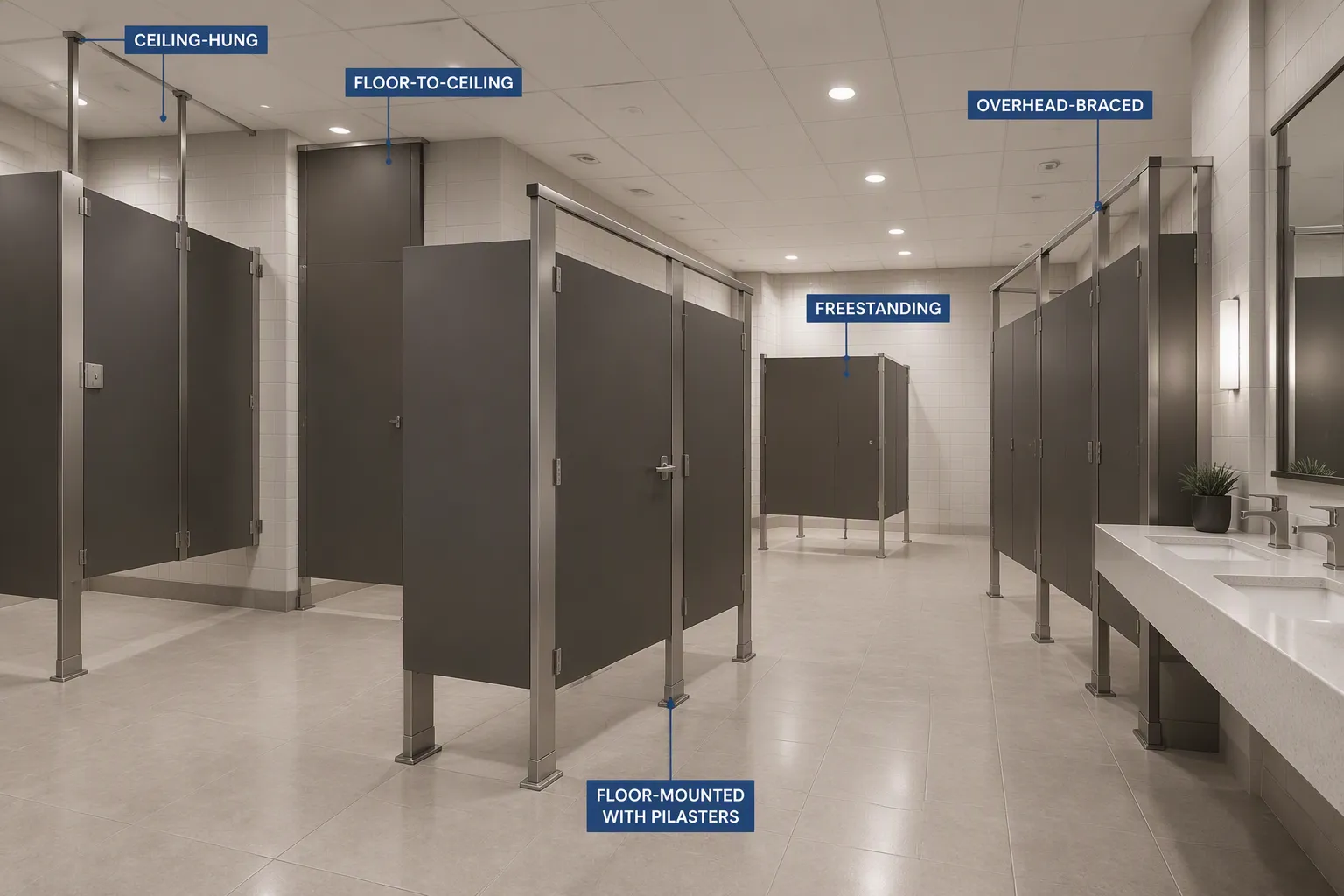
How you mount the panels changes how steady they are, how easy they are to clean, and how long they last. Each style fits different room layouts and traffic patterns. Picking the wrong type causes shaky stalls or gaps that are hard to clean.
Floor-Mounted, Ceiling-Hung, and Floor-to-Ceiling
Floor-mounted partitions bolt pilasters to the floor with anchors. This style works well in most commercial bathroom partitions because it gives solid stability. Cleaning crews can mop under the panels without anything in the way. The floor clearance beneath partitions must be at least 9 inches and no more than 12 inches above the finished floor. This gap allows for proper toe space and easier maintenance.
Ceiling-hung partitions connect to the ceiling structure with overhead supports. This design keeps the floor completely open for cleaning. It suits restrooms with sturdy ceilings and moderate traffic. However, ceiling-hung stalls may sway a little if the overhead bracing is not rigid enough.
Floor-to-ceiling partitions use both floor and ceiling attachment. This setup offers the most stability for high-traffic areas. Airports, stadiums, and transit hubs often use this style. The double anchoring cuts down on movement and extends the life of each toilet partition panel.
Overhead-Braced and Freestanding Layouts
Overhead-braced partitions use pilasters anchored to the floor plus a continuous overhead brace. This hybrid approach adds rigidity without connecting to the ceiling. It works well in rooms with high ceilings or exposed ductwork. The overhead brace also helps line up multiple stalls in a row.
Freestanding layouts rely on sturdy pilasters and support legs without wall attachment. These work in open areas or temporary installations. Freestanding units need careful leveling to prevent tipping. They also need more floor space than wall-connected options.
Accurate measurement of depth, width, and height is critical before ordering any commercial bathroom partitions. Small errors cause misaligned doors, gaps between panels, and failed inspections. Measure from finished surfaces, not from framing or rough openings.
ADA compliance adds specific requirements for stall dimensions and hardware. The table below summarizes key measurements.
Common hardware violations include round twist-lock latches, non-lever pull handles, and self-closing hinges adjusted above 5 lbs force. A frequent dimension error involves measuring the 60-inch width from pilaster centerline instead of clear finished surface. This mistake results in an actual clear width of only 57–58 inches.
Ambulatory-accessible stalls are required in restrooms with six or more compartments. These stalls measure 35–37 inches wide with a minimum depth of 60 inches. They need parallel grab bars on both side walls.
Proper installation ensures stability and easy cleaning. The next section covers sustainability and eco-friendly panel options.
Sustainability and Eco-Friendly Panels
Sustainability now leads many restroom projects. Facility managers want materials with recycled content and low emissions. The materials you pick directly change the building’s environmental footprint. This section covers eco-friendly options like HDPE. It also explains why a long-lasting panel is often the most sustainable choice.
Why HDPE and Recycled Content Matter
HDPE toilet partitions give strong eco-friendly benefits. This material is 100% recyclable. Suppliers offer versions with 100% post-consumer content. HDPE panels release low emissions. They have no added urea-formaldehyde resins. Standard phenolic panels do not have these recycled content features. The table below shows these differences.
UV-resistant HDPE stops fading and brittleness. It handles temperature swings without warping. It resists rust and moisture. These traits make it great for outdoor restrooms or facilities with skylights.
Longevity as the Greenest Choice
The most sustainable panel is the one that lasts the longest. A panel installed for 15-20 years avoids replacement costs. It cuts down on waste sent to landfills.
According to the Construction Specifications Institute, phenolic panels keep their integrity in humid environments, reducing mold growth and prolonging lifespan.
Phenolic panels can handle over 100,000 door cycles. This durability is key for high-traffic areas like airports and stadiums. Durable materials need less frequent replacement. Low maintenance adds to the green profile. HDPE and phenolic surfaces resist harsh cleaning agents. They do not break down quickly. This reliability means fewer replacements and less chemical waste over time. Choosing durable panels matches sustainable building trends. It gives excellent long-term value.
Color, Finish, and Design Coordination
The color and finish of a restroom affect how people feel about the space. The right picks help the facility’s brand and make daily cleaning easier. Facility managers must balance looks with practicality. A well-designed restroom looks professional and works well for years.
Matching Panels to Facility Type and Brand
Each type of facility needs a different design plan. A school restroom does well with bright, welcoming colors. A corporate office needs neutral tones that show professionalism. A hospital needs soft, calming colors that feel clean and safe. The materials you choose must fit these goals.
HPL surfaces offer many ways to customize. Colors, wood grains, and stone patterns are all available. A wood grain finish adds warmth to a library restroom. A stone pattern brings elegance to a hotel lobby. Matching the panels to the brand makes the whole experience better. The right color helps the restroom feel like part of the whole building.
Different facilities also need different levels of durability. High-traffic areas need finishes that resist wear. Low-traffic areas can focus more on looks. The right balance leads to the best result.
Practical Finishes for High-Traffic Restrooms
High-traffic restrooms need finishes that stay attractive over time. Textured surfaces hide scratches and fingerprints better than smooth ones. Light colors show dirt and stains more quickly. Dark colors show water spots and dust. Facility managers should pick a finish that fits their cleaning schedule.
Accessories complete the look and function. Edge profiles protect panel edges from damage. Locks and hinges should match the panel finish. Support legs add stability and a finished look. Every detail matters for a cohesive design.
The HPL surface resists moisture and impact. This keeps the finish intact for many years. A durable finish means less repainting or replacement. Different materials offer different levels of wear resistance. The long lifespan of quality panels gives excellent value.
The right toilet partition panel balances four things: material, installation, sustainability, and design. Each choice affects how long it lasts, how easy it is to clean, and the long-term cost. Before you order commercial bathroom partitions, use this quick checklist:
- Check how many people use it daily and how much moisture is there.
- Set a realistic budget range, not just the lowest price.
- Measure layout depth, width, and height from finished surfaces.
- Check ADA and local code rules for stalls and hardware.
- Pick panel thickness based on your durability needs.
- Match finishes to your cleaning routine.
The best panel fits your facility’s real-world use. A low sticker price often hides higher lifetime cost through repairs and early replacement.
FAQ
Which material works best for a high-moisture restroom?
Phenolic core and HDPE panels work well in wet places. Both stand up to moisture, impact, and graffiti. Phenolic materials often come with a 25-year warranty. HDPE gives you similar strength and is 100% recyclable. Stainless steel also does well in damp areas, but it costs more at the start.
How do I know which installation type fits my space?
Floor-mounted partitions fit most commercial restrooms and make cleaning underneath easy. Ceiling-hung designs keep the floor clear but need strong overhead support. Floor-to-ceiling setups give the most stability for busy places like airports. Freestanding layouts work in open areas but need careful leveling.
What ADA measurements should I verify before ordering?
Check that stall width is at least 60 inches and depth is 56 inches for wall-mounted toilets. Door clear width must be at least 32 inches. Grab bars go 33–36 inches above the floor. Measure from finished surfaces, not framing, so you don’t fail compliance.
Are eco-friendly panels worth the investment?
HDPE panels have up to 100% post-consumer content and give off low emissions. Strong materials like phenolic handle over 100,000 door cycles. Panels that last a long time cut down on replacement waste and chemical use. Sustainability and durability often go together.
What warranty should I expect from quality panels?
Warranty length depends on the material. Stainless steel usually comes with a five-year warranty. Phenolic and HDPE often include 25-year coverage. Some HPL panels with aluminum honeycomb cores offer 15–20 year warranties. Longer coverage usually means better durability.
Post time: Sep-10-2026


