


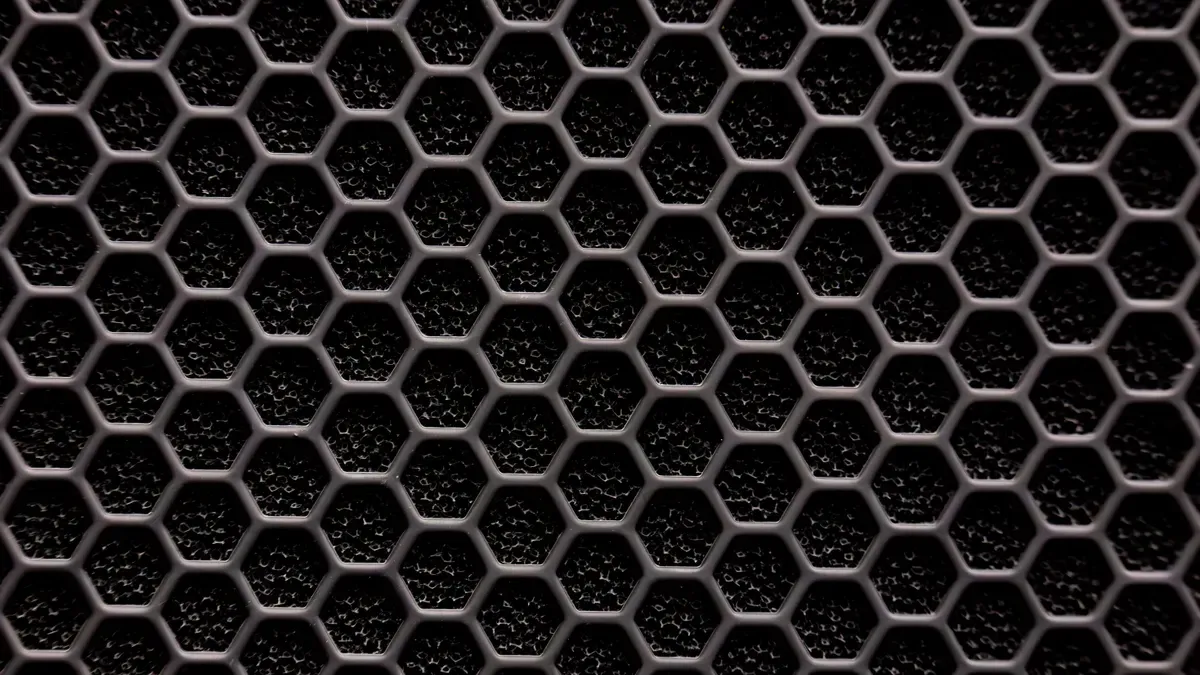
Standard aluminum honeycomb panel price benchmarks range from $40 to $150+ USD/m² for modern commercial architectural projects. Chenshou Tech Aluminum Honeycomb Composite Panels leverage advanced manufacturing processes rooted in high performance aviation composite technology. These high strength sandwich structures deliver exceptional stiffness, superior flatness, and robust wind pressure resistance across large surface areas. Specifying a quality aluminum honeycomb panel reduces structural dead loads significantly on high rise exterior walls. Consequently, facade engineers and procurement specialists can minimize structural framing costs and site installation labor. Analyzing complete project TCO enables commercial specifiers to achieve superior aesthetic performance while controlling long term facility maintenance expenses.
Key Takeaways
- Aluminum honeycomb panel prices usually range from $40 to over $150 per square meter.
- Core density, alloy choices, and surface coatings directly change total material expenses.
- Factory fabrication and custom shapes increase total panel production costs.
- Lightweight panels lower building frame needs and cut overall site installation expenses.
Aluminum Honeycomb Panel Price Benchmarks
Standard Market Cost Ranges
Budgeting architectural project material expenses requires baseline cost benchmarks for different panel options. A initial material quote reflects core structure quality, face sheet thickness, and specialized factory processing. Estimators evaluate base material expenses per square meter to establish realistic baseline budgets before detailing secondary fabrication needs.
| Panel Type | Cost Range (USD per m²) | Key Applications / Notes |
|---|---|---|
| Aluminum Honeycomb Panels | $55 – $130 | Large flat panels, transport hubs, premium walls, and high-stiffness systems. |
| ACP / ACM Panels | $18 – $45 | Common cladding panels for early budgeting. |
| Solid Aluminum Panels | $38 – $85 | Standard solid panel option. |
| Perforated or Shaped Aluminum Panels | $45 – $110 | Decorative or functional custom shapes. |
Commercial buyers must distinguish basic sheet materials from advanced structural composites during initial planning. Aluminum honeycomb panels provide superior structural stiffness over traditional composite sheets. Procurement managers obtain a formal supplier quote to verify specific factory-side material rates for complex projects.
Raw Material Market Impacts
Global metal commodity fluctuations directly influence total panel production expenses. Smelting operations require massive electricity inputs. Consequently, rising global energy costs increase primary aluminum ingot expenses directly. Specialized foil sourcing for thin inner cell walls also introduces dependency risks into manufacturing supply chains.
- 1 Global energy costs drive primary aluminum commodity prices upward.
- 2 Raw material price volatility shifts factory manufacturing budgets directly.
- 3 Supply chain pressures force product price adjustments across production lines.
- 4 Final price increases influence overall project procurement decisions.
Manufacturing methods strongly impact long-term cost performance efficiency. Chenshou Tech utilizes advanced precision cold and hot press composite processes. Servo-controlled press platens maintain a strict thickness tolerance of ±0.1 mm across the full panel surface area. Servo-driven cutting systems on automated production lines achieve a dimensional tolerance of ±0.1 mm. These precision controls reduce material waste significantly. As a result, projects lower overall material cost while maintaining high structural performance. Understanding these variables helps project specifiers predict the overall aluminum honeycomb panel price accurately.
Aluminum Honeycomb Panel Structural Cost Drivers
Skin Alloy Grade and Thickness
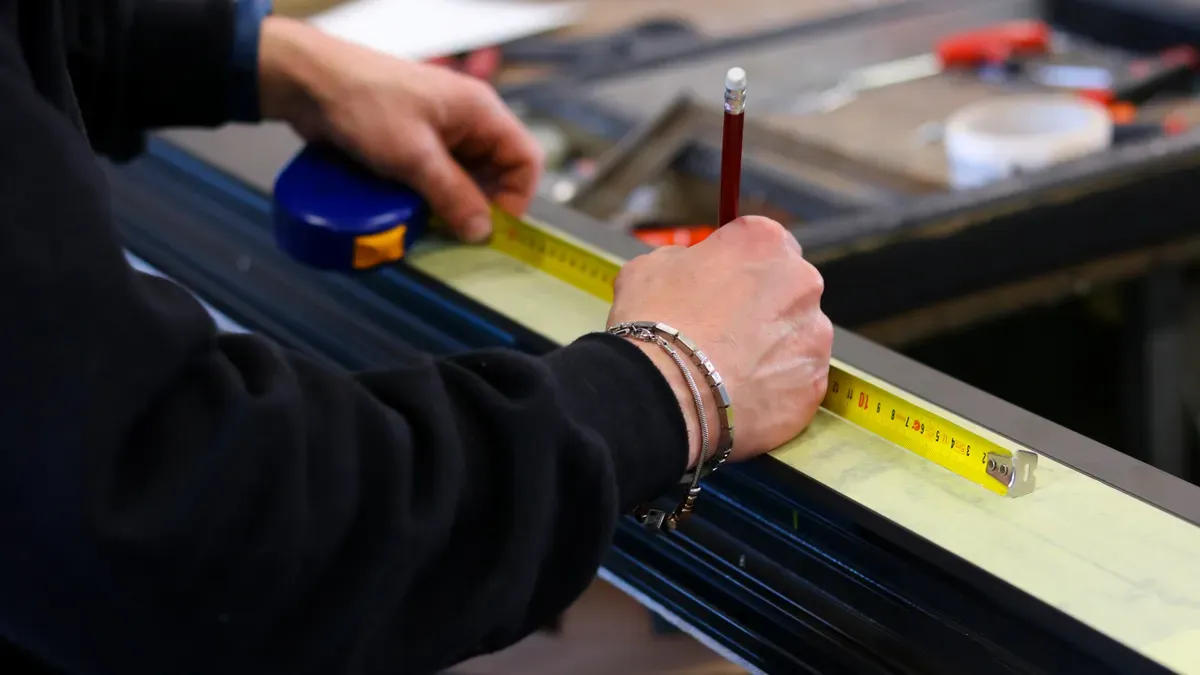
Face sheet specifications drive total material expenses significantly. Structural engineers choose aluminum alloys based on required mechanical strength and environmental conditions. Standard architectural applications often utilize manganese-alloyed AA3003 aluminum sheets. This material provides excellent corrosion resistance and moderate structural strength at a economical baseline cost.
High-load environments demand stronger magnesium-alloyed AA5052 aluminum sheets instead. This premium alloy offers superior tensile strength and higher resistance to marine exposure. However, advanced alloy compositions increase overall material procurement expenses. Increasing skin thickness from standard architectural gauges to heavier structural plates adds raw metal volume directly. Project specifiers balance face sheet thickness against deflection limits to optimize total structural expenditure.
Core Cell Size and Foil Gauge
Hexagonal core geometry dictates internal structural performance and total production cost. The internal density depends on individual cell dimensions and thin foil thickness. Smaller cell sizes create more support walls per square meter. This tight core layout improves shear strength and impact resistance across the panel surface.
| Core Parameter | Mechanical Impact | Cost Profile |
|---|---|---|
| Smaller Cell Density | Increases compressive strength and surface flatness | Higher foil material consumption and manufacturing cost |
| Larger Cell Density | Reduces panel weight for light interior dividers | Lowers raw material requirements and total cost |
| Thicker Foil Gauge | Enhances shear modulus and deflection resistance | Increases total metal volume and primary production cost |
Engineers evaluate core cell configurations to match specific building deflection criteria. Thicker foil gauges support heavy wind pressure loads on external curtain walls efficiently. However, dense core structures require additional raw foil during expanding processes. The final aluminum honeycomb panel cost reflects this balance between core density and structural requirements.
Surface Finishes and Fire Performance
Coating Chemistry Options
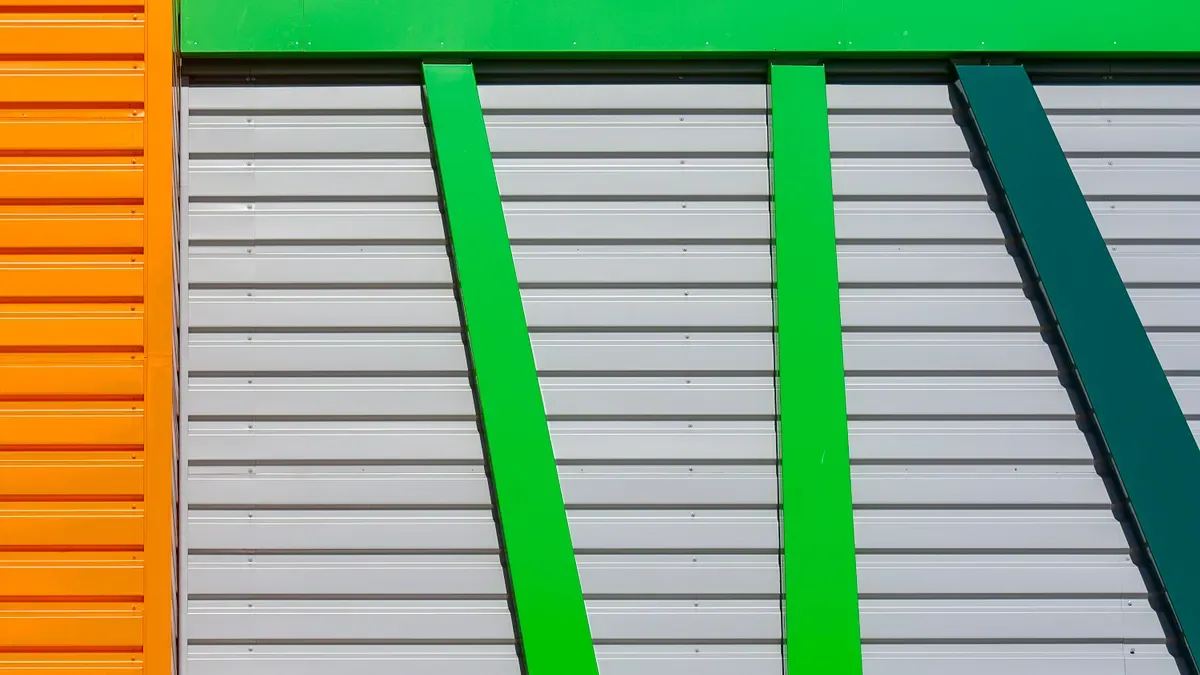
Coating chemistry selections directly dictate both exterior performance life and initial project expenditure. Architectural project teams evaluate specialized surface treatments based on environmental exposure and long-term budget parameters.
| Coating Type | Initial Cost (Relative) |
|---|---|
| Polyester (PE) | Low |
| PVDF | Medium |
| FEVE | High |
Polyester options suit standard interior applications or temporary structures requiring baseline color coverage. PVDF and FEVE chemistries provide robust resistance against harsh ultraviolet radiation and industrial air pollutants.
Polyester coatings generally have the lowest initial cost, while premium systems such as PVDF and FEVE require a higher investment but provide superior weather resistance and longer service life.
Anodized finishes deliver exceptional surface hardness alongside a distinct metallic appearance. Specifiers select anodized treatments for high-traffic elevator interiors and premium architectural designs. High durability justifies the premium investment across heavy commercial projects.
Specialized Finishes and Fire Ratings
Chenshou Tech expands design choices through versatile surface laminations and functional designs. The product line incorporates real composite marble, durable stainless steel cladding, and metallic mirror aluminum. Specifiers can also select specialized perforated acoustic panels to achieve targeted interior sound absorption. These specialized materials adjust baseline processing budgets according to aesthetic and acoustic project criteria.
Non-combustibility requirements also alter core production techniques and manufacturing overhead. Meeting strict A2 fire-rated standards requires specific structural adjustments during factory assembly.
- Non-combustible aluminum alloys for both face sheets and internal cores.
- Stringent production processes, including advanced bonding techniques like brazing to eliminate combustible adhesives.
These stringent manufacturing controls elevate processing expenses relative to standard decorative composite panels. However, specifying A2 fire-rated aluminum honeycomb panels ensures compliance with strict international building safety codes. Specialized non-combustible aluminum honeycomb panels maintain structural integrity across critical public infrastructure projects.
Factors Driving Aluminum Honeycomb Panel Price
Fabrication and Edge Sealing
Secondary factory processing directly influences cost during custom panel manufacturing. Standard flat sheets require additional mechanical work before job site installation. Advanced CNC routing cuts precise panel dimensions and complex geometric shapes. Automated milling machines clear edge margins to prepare panels for structural folding. Factory technicians perform precise edge hemming to seal the internal core completely. This folding process protects the interior core structure against moisture penetration and environmental wear.
Integrated attachment hardware further streamlines exterior curtain wall installation. Factory workers insert specialized corner codes into panel edges to strengthen structural joint corners. Concealed fastener integration creates seamless exterior wall profiles without visible exterior rivets. Eliminating field welding speeds up building assembly significantly. However, extensive pre-shipment fabrication increases factory machine time and labor expenses. Complex panel geometry ultimately raises the baseline aluminum honeycomb panel price.
Volume Discounts and Logistics
Order scale creates significant pricing shifts across commercial production runs. Large order volumes allow factories to optimize raw metal yield. Suppliers offer progressive bulk order discount tiers for large architectural wall cladding projects. A bulk purchase lowers setup costs per unit across standard manufacturing batches. Conversely, small custom orders increase production setup expenses per square meter.
Order Volume Scale ➔ Setup Cost Allocation ➔ Unit PriceLogistics management and international trade terms also impact total procurement expenses. Shipping methods, protective packaging, and trade agreements alter total landed cost delivery calculations.
| Evidence Category | Specific Evidence | Supporting Detail |
|---|---|---|
| Typical Incoterms | FOB (Free On Board) | Buyer maintains control over shipping lines and local port routing. |
| CIF (Cost, Insurance, and Freight) | Transfers ocean transit liabilities to the manufacturer. | |
| DDP (Delivered Duty Paid) | Integrated delivery directly to the construction site; supplier handles customs. | |
| Freight Packaging Standards | Protective PE Surface Film | Used to avoid scratching during transit. |
| Reinforced Corner Guards | Protects panel edges. | |
| Heavy-duty, Fumigated ISPM-15 Compliant Wooden Crates | Required to prevent structural distortion and meet international shipping regulations. |
Sea freight via standard 20ft or 40ft containers remains the primary transport method for bulk shipments. Careful logistics planning secures low purchase expenses throughout project procurement.
Comparing Aluminum Honeycomb Panels to Alternatives
Cost versus Basic Sheet Metal
Initial purchase quotes often position standard metal sheets as an economical selection for simple wall installations. However, structural engineers evaluate overall panel rigidity alongside long-term performance requirements. Basic single-skin metal plates flex easily under wind loads. Thin solid sheets require dense secondary subframe framing networks to prevent surface distortion.
Aluminum honeycomb panels maintain exceptional surface flatness across expansive structural spans without internal warping. Specialized core geometry reduces overall dead loads on primary structural foundations substantially. Consequently, installation crews save significant time during site handling and building attachment operations. Specifiers balance primary material investments against lower overall subframe construction expenses.
| Financial Perspective | Aluminum Honeycomb Panel | Basic Solid Aluminum Panel |
|---|---|---|
| Material Cost (per sq. m.) | Higher | Lower (especially for thin gauges) |
| Considered Factors | Panel price, support structure, anchors, crane time, labor | Panel price, support structure, anchors, crane time, labor |
| Total Installed Cost | Often lower due to savings on support structure and installation time | Can be higher when factoring in heavier supports and more complex labor |
| Key Takeaway | True economic value requires comparing panel price plus subframe and labor for total installation expenses. |
Value Comparison to Carbon Fiber
Specialized industrial applications prioritize extreme stiffness alongside mass reduction goals. Carbon fiber composite systems deliver superior specific stiffness and exceptional weight savings over metallic composite solutions. However, raw material processing complexity drives initial carbon fiber procurement expenses extremely high. Elite aerospace designs utilize these specialized materials despite high financial inputs.
Hexagonal core aluminum sandwich structures provide a highly versatile financial alternative for commercial construction projects. Specifying aluminum honeycomb panels yields excellent structural stability at a substantially lower baseline cost. Building owners achieve optimal strength-to-weight performance while controlling overall project tco effectively. Early engineering coordination secures reliable structural performance within established budget limits.
Several key drivers determine the final aluminum honeycomb panel price on commercial projects. Face sheet alloy grade, core cell density, surface finish, and fabrication complexity shift direct manufacturing expenses. Selecting a reliable honeycomb panel supplier like Chenshou Tech delivers structural integrity through high-precision composite production. These lightweight sandwich panels reduce structural dead loads and cut installation labor. Consequently, building owners achieve substantial long-term tco savings.
Early engineering coordination optimizes overall procurement budgets effectively. Project specifiers should consult engineering teams early to standardize panel dimensions. Standardized modular panel layouts streamline factory fabrication and lower transport risks. Smart procurement planning controls initial investments while minimizing overall tco across the entire building lifecycle.
FAQ
Q What factors drive the base price of aluminum honeycomb panels?
Q How do panel size and custom fabrication affect overall purchase expenses?
Q Why are aluminum honeycomb panels more cost-effective than solid aluminum sheets?
Q How can buyers secure the best quote for large commercial projects?
Post time: Aug-10-2026


