


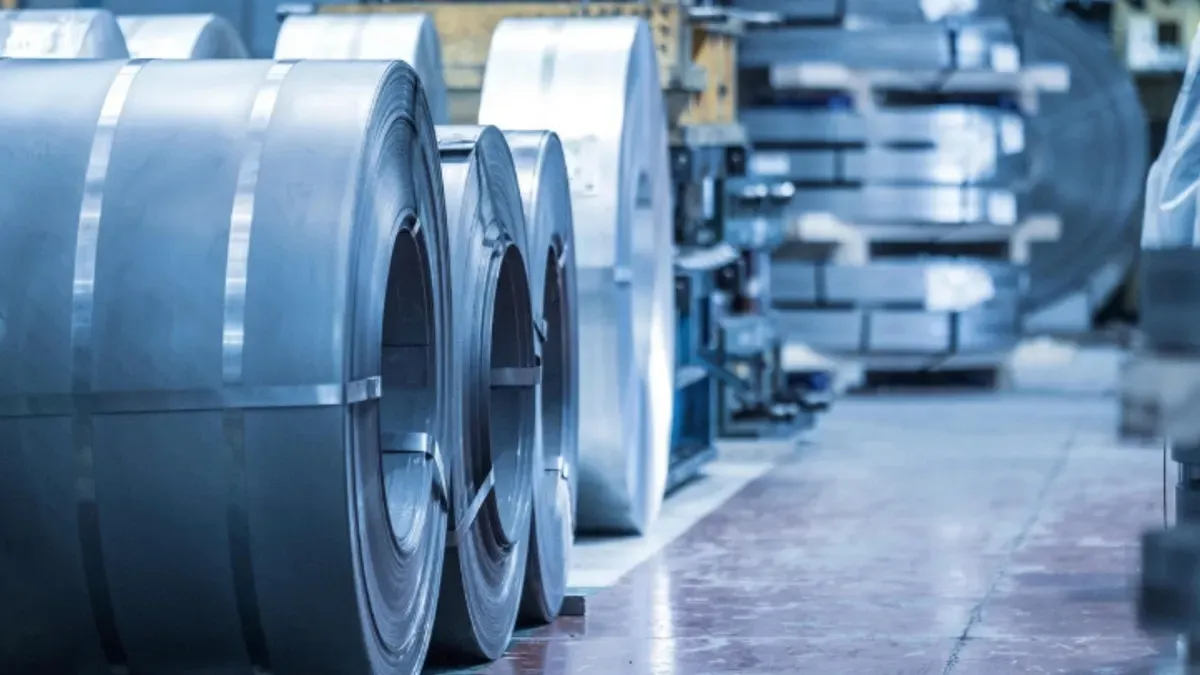
Selecting a reliable aluminum honeycomb panel manufacturer requires strict evaluation of four primary criteria: verified certifications, alloy grade quality, precision manufacturing tolerances within ±0.1mm, and flexible order terms. Architects, cladding contractors, and procurement managers must prioritize these essential technical specifications during vendor sourcing to safeguard overall project quality.
Partnering with a dependable industry leader like CHENSHOU TECH guarantees exceptional structural integrity across demanding architectural applications. Advanced composite production actively prevents severe job-site issues, including panel core delamination, structural failure, code non-compliance, and costly project delays. High-grade composite systems consistently deliver reliable strength and fire resistance for modern commercial exterior building facades.
Key Takeaways
- Choose panel suppliers with ten years of experience and valid ISO 9001 and CE quality certifications.
- Precision manufacturing keeps panel thickness tolerances within strict limits of plus or minus 0.1 millimeters.
- High-grade aluminum honeycomb cores provide strong structural support while keeping total building weight very low.
- Durable PVDF surface coatings protect exterior metal panels from harsh weather and fading color over time.
- Lightweight panels use simple mechanical fasteners to speed up jobsite installation and lower direct labor costs.
Assessing Manufacturer Capabilities and Compliance
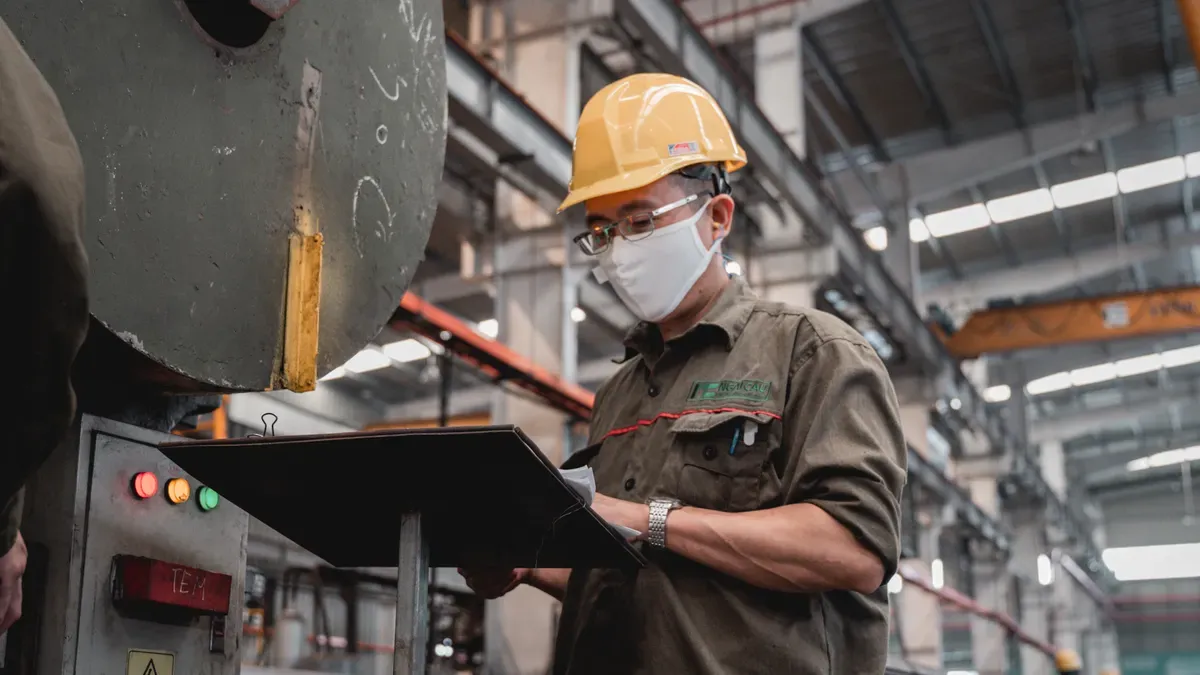
Procurement teams must carefully evaluate factory production capabilities before placing large architectural panel orders. Thoroughly evaluating technical credentials protects high-budget commercial construction projects against structural failures, material defects, and unexpected job-site delays. Procurement managers should analyze certified quality records and verified manufacturing processes during early vendor selection.
Market Experience and Industry Certifications
Long-term presence in the building materials industry reflects stability and deep technical knowledge. Selecting an established panel supplier minimizes technical errors during complex fabrication processes.
- A reliable supplier for aluminum honeycomb panels should have a minimum of 10+ years manufacturing experience.
Industry credentials validate production consistency and compliance with international building safety codes. Global project specifications require strict adherence to international standard protocols across every production batch. Buyers must distinguish between generic system quality standard certifications and product safety marks.
| Aspect | ISO 9001 | CE Marking |
|---|---|---|
| Primary Purpose | Certifies a robust Quality Management System for consistent product quality. | A mandatory conformity mark indicating the product meets EU health, safety, and environmental requirements. |
| Scope / Focus | Focuses on processes: quality management, customer focus, continual improvement from material selection to final inspection. | Focuses on product performance: safety aspects like mechanical resistance, fire safety, and chemical emissions. |
| Geographic & Legal Nature | An international voluntary standard for quality systems, applicable globally. | Legally mandatory for products sold within the European Economic Area (EEA). |
| Application for Manufacturer | Demonstrates the manufacturer’s commitment to operational excellence and reliable supply. | Enables the legal market access of the product for construction projects in Europe. |
Checking a supplier’s market record ensures long-term product performance and safety on active jobsites. Positive customer reviews confirm delivered panel quality, accurate order fulfillment, and reliable shipment timelines. Additionally, a strong manufacturer reputation indicates reliable engineering support across complex architectural projects. Choosing a vendor with an established manufacturer reputation reduces material risks and continuous maintenance costs for large commercial developments.
Quality Management and Fire Safety Compliance
Advanced composite panel fabrication demands exact temperature control and uniform pressure application during structural lamination. CHENSHOU TECH operates state-of-the-art production facilities featuring specialized automated pressing systems. Advanced cold and hot pressing composite manufacturing lines maintain strict dimensional accuracy and robust core bonding across every panel sheet.
| Evidence Point | Key Specification | Supporting Detail |
|---|---|---|
| Primary Tolerance Statement | Thickness tolerance: ±0.1 mm across the full panel area | Achieved through precision-controlled press platens with servo-adjusted gap control. |
| Corroborating Evidence | Dimensional tolerances within ±0.1 mm held by servo-driven cutting systems. | Part of a modern, intelligent production line with integrated process controls. |
Maintaining tight manufacturing tolerances prevents misaligned exterior curtain wall joints during site installation and field assembly. Proper structural bonding prevents inner core delamination under extreme atmospheric temperature shifts and severe wind loads. Fire safety compliance remains another crucial factor for modern high-rise commercial structures. Verified non-combustible panel cores protect underlying structural framing during critical fire emergencies. Working with a qualified manufacturer guarantees strict adherence to global safety standards and local building regulations.
Evaluating Core Material for Aluminum Honeycomb Panels
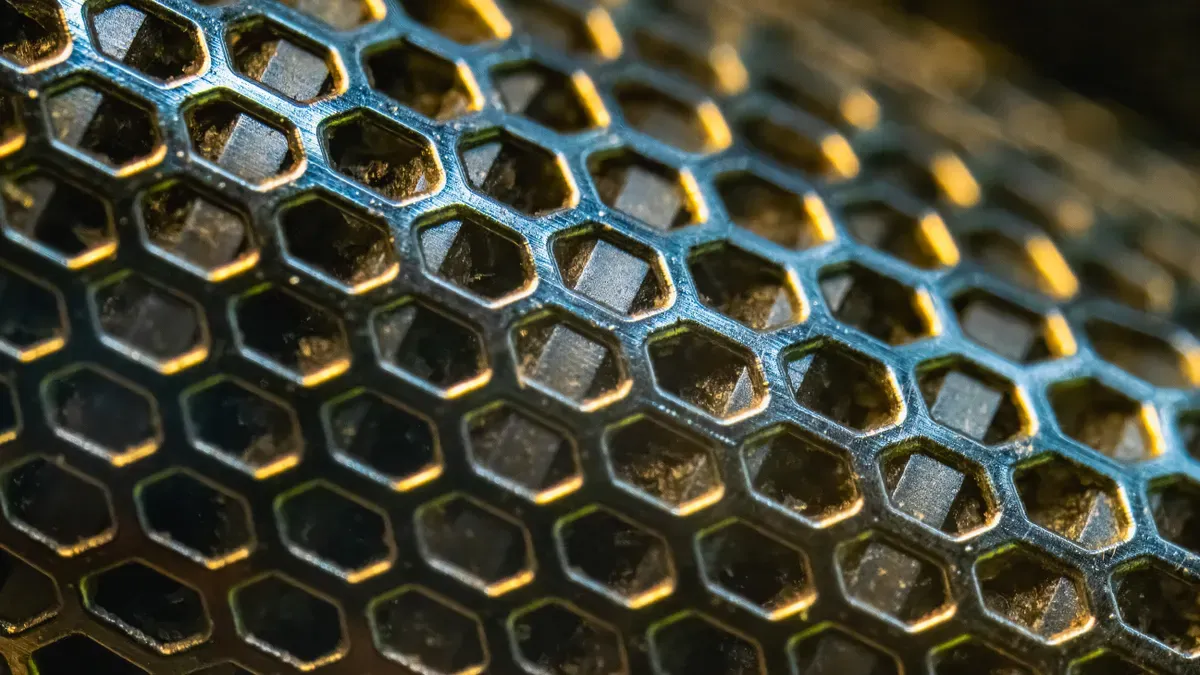
Evaluating internal structural components ensures long-term panel stability under heavy dynamic loads. A high-quality aluminum honeycomb panel uses a specialized sandwich structure designed for modern construction projects. This structure securely bonds two high-strength aluminum alloy face sheets around a central core. Manufacturers craft this inner structural matrix using 3000-series alloy foil formed into optimized hexagonal cell geometries. Project engineers can easily specify customizable cell wall thicknesses to meet demanding load requirements.
The typical density of aluminum honeycomb panels is around 45 kg/m³, making them incredibly lightweight.
The specific density of an aluminum honeycomb core varies based on cell dimensions:
- 3.2mm Cell Honeycomb: 76.9 kg/m³
- 6.4mm Cell Honeycomb: 83 kg/m³
- 19.1mm Cell Honeycomb: 28.8 kg/m³
Selecting the correct geometry maximizes structural rigidity across broad panel surface areas. CHENSHOU TECH utilizes advanced alloy foils to deliver impressive load-bearing capacity without adding unnecessary weight. These honeycomb core configurations ensure smooth, flat surfaces for interior partitions and exterior building facades.
Key Features of High-Quality Aluminum Honeycomb Panels
Structural performance depends heavily on physical core design and proper alloy grade selection. Premium panel systems utilize durable aluminum alloys to resist impact damage and physical deformation. A high-quality aluminum honeycomb panel maintains exceptional surface flatness across large architectural spans. The central hexagonal matrix distributes physical forces evenly across the entire panel structure. This balanced design delivers outstanding high strength-to-weight performance for demanding industrial applications.
CHENSHOU TECH offers an exceptional range of advanced structural materials engineered for modern building facades. Their composite technology prevents panel bowing or structural bending under severe wind pressures. These lightweight materials provide superior thermal insulation, soundproofing performance, fire resistance, and weather protection. Building owners benefit directly from reduced structural loads on underlying building frames, which lowers total construction costs.
Versatile Surface Finishes and Coating Options
Surface coatings protect underlying structural metal while fulfilling aesthetic design visions. Selecting appropriate surface finishes depends directly on specific environmental exposure requirements. Building skins require highly durable exterior coatings to withstand severe atmospheric weathering over time.
| Performance Criteria | PVDF Coating | PE Coating |
|---|---|---|
| Primary Application | Exterior applications (cladding, roof panels, marine panels) | Interior applications (partitions, ceilings) |
| Weather Resistance | High durability against different weather conditions | Not specified for exterior weather |
| UV & Sunlight Resistance | Excellent protection against sunlight exposure | Not specified for UV exposure |
| Cost Consideration | Premium performance coating | Cost-effective solution |
Curtain walls on super high-rise buildings demand maximum surface protection. The exterior coating must be PVDF fluorocarbon with a thickness of ≥25μm to guarantee color retention. PVDF coatings prevent surface oxidation, chalking, and fading in harsh outdoor environments. In contrast, cost-effective PE coatings suit indoor applications like interior wall decoration, ceilings, and signboards. PE finishes achieve vivid colors and higher gloss levels for decorative interior spaces.
CHENSHOU TECH supplies a versatile range of finishes tailored to exact project specifications. Their broad product line features PVDF or PE coated panels, composite marble, mirror metal surfaces, and acoustic perforated panels. Specifiers select colors accurately using the international RAL color system. These tailored options allow architects to specify honeycomb aluminum panels across high-speed rail partitions, airport ceilings, and unit curtain walls.
Verifying Customization and Structural Testing
Precision Engineering and Tailored Dimensions
Custom manufacturing accommodates complex architectural designs and specialized building project requirements. Modern automated production lines fabricate individual composite panels to exact physical engineering specifications.
| Dimension | Maximum / Standard Value |
|---|---|
| Width | Up to 1500 mm |
| Length | Up to 8000 mm |
| Thickness | Standard options include 6 mm and 10 mm |
Engineers select specific panel dimensions based on precise structural load calculations. Proper structural sizing significantly reduces on-site cutting waste and improves total field installation speed.
Production lead times depend directly on panel dimensions and overall project scale. Standard panel sizes require 15-25 days for factory fabrication. Custom panel sizes require 25-35 days for specialized production completion. Raw material inventory allows a rapid general delivery time of 18-22 days after initial order confirmation.
Mechanical Performance and Bonding Strength
Rigorous laboratory testing verifies overall mechanical performance under severe environmental loads. Standardized test protocols evaluate internal sandwich panel strength across multiple dynamic physical forces.
- ASTM E72: Measures overall structural strength for building construction panels.
- ASTM C393: Evaluates flatwise flexural strength and sandwich core stiffness.
- ASTM C273: Determines shear properties of structural core materials.
- ASTM D1781: Assesses layer peeling resistance and face adhesion strength.
- ASTM C297: Tests flatwise tensile strength of sandwich constructions.
A 50mm aluminum honeycomb sandwich panel supports walkable ceiling loads rated at 40lb/ft², as tested to ASTM E72-15, Section 9.
Internal structural bonding provides high strength and good rigidity across broad architectural spans. Laboratory testing according to GB/T 1457-2005 reveals a typical peel strength of 231 (N·mm)/mm between the outer aluminum skin and the inner honeycomb core. Flatwise compressive strength tests demonstrate an average value of 1.39 MPa.
A high-quality aluminum honeycomb panel prevents internal core separation under continuous dynamic forces and severe wind loads. Specifying a fully tested aluminum honeycomb panel guarantees maximum structural safety and long-term durability across demanding commercial project applications.
Reviewing Supplier Terms and Project Support
Low MOQs, Free Samples, and Order Terms
Procurement managers must review factory order policies before signing supply contracts. Flexible order terms reduce initial financial risks for commercial construction projects. Most factories require a minimum order quantity (MOQ) between 200 and 500 square meters. This volume ensures efficient operation for coating and bonding machines.
| Source | Stated MOQ | Additional Conditions / Notes |
|---|---|---|
| Manufacturer (huaalu.com) | 500 m² | Applies to one color and specification; requires stock color chart matching. |
| Industry Overview (wwaluminum.com) | 200 to 500 m² | Standard factory range; smaller orders are possible for standard colors. |
Evaluating sample quality allows engineering teams to verify physical material performance beforehand. Reliable suppliers provide material samples to confirm color match and structural core bonding.
Of course, we can provide free samples, you only need to pay the shipping fee.
CHENSHOU TECH offers small-batch custom options based on the international RAL color system. This flexibility helps contractors order exact quantities for specialized architectural builds without excessive material waste.
Fastener Assembly and Installation Efficiency
Field installation efficiency directly impacts total labor costs and construction timelines. CHENSHOU TECH designs composite systems for fast, simple jobsite assembly. Their lightweight panels eliminate the need for heavy lifting equipment during elevated facade installations.
Worker safety improves when handling lightweight aluminum honeycomb composite materials on staging platforms. Contractors install these panels using simple binder systems or mechanical corner fasteners. This streamlined approach completely eliminates complex skeleton welding on active job sites.
CHENSHOU TECH manufactures precision-engineered panels that fit structural framing systems perfectly. Panels arrive with exact edge preparations for immediate mechanical attachment. Standard dimensions like 4×8 feet allow rapid coverage across broad exterior building facades and interior partitions.
Simplified mechanical fastening accelerates project completion schedules significantly. Reduced installation labor lowers total structural budget requirements for building owners. Choosing an experienced manufacturer ensures comprehensive technical support throughout the installation process.
Selecting a reliable aluminum honeycomb panel manufacturer requires systematic evaluation of factory credentials, rigorous mechanical testing, and flexible order conditions. CHENSHOU TECH delivers certified composite panels engineered for high performance and easy installation. Their advanced composite systems utilize simple mechanical fasteners. This approach eliminates complex skeleton welding on active job sites. Consequently, projects achieve an installation speed that is 30% to 50% faster than traditional solid aluminum cladding. For a typical 5,000 m² project, installation labor costs drop from $60,000–$80,000 down to $30,000–$50,000, yielding a labor cost reduction of 37.5% to 50%. Contact CHENSHOU TECH today to request free samples and technical specifications for your upcoming architectural projects.
FAQ
Q What tolerances can CHENSHOU TECH maintain during panel production?
Q Which core materials and alloys make high-quality honeycomb panels?
Q What surface coatings are available for exterior building cladding?
Q How do aluminum honeycomb panels reduce site installation labor?
Post time: Aug-07-2026


