


Choosing the right panels for modern construction depends on the needs of each project. Advanced materials help improve building performance and support creative design. Many builders now look for innovative solutions from an Aluminum Panel Supplier. The Aluminum Honeycomb Panel from Chenshou Tech stands out for its strength and flatness. These panels offer new options for design and durability. The debate of Composite vs. Honeycomb Panels centers on which design fits best with today’s construction goals.
Composite Panels Overview
Definition and Structure
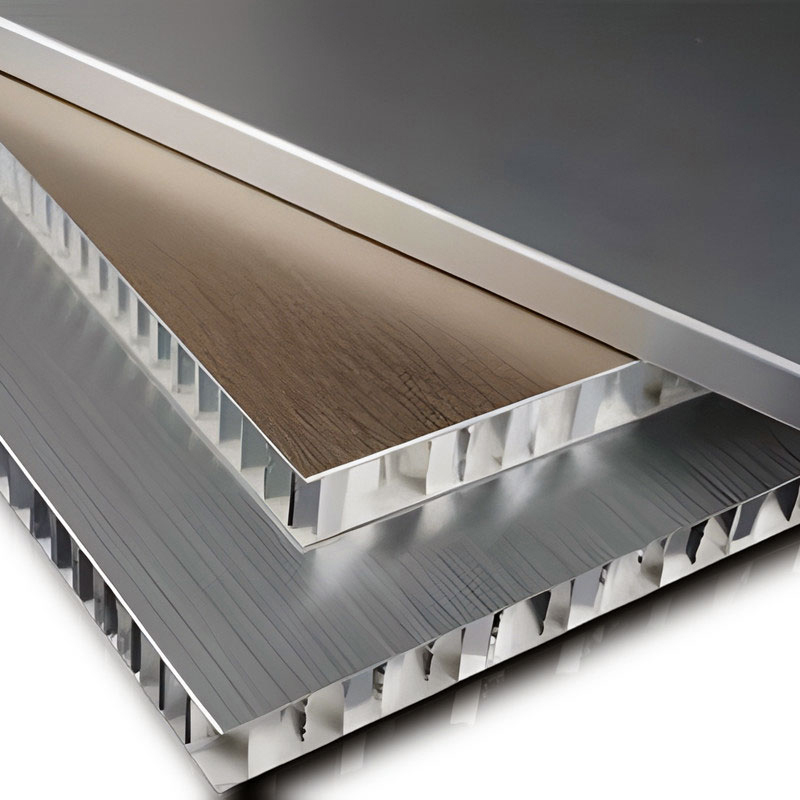
Composite panels are advanced building materials made by combining two or more different substances. These panels use a layered design to create a product that is stronger and lighter than traditional materials. Most composite panels have two thin, strong skins bonded to a lightweight core. The skins are usually made from metals or fiberglass. The core often uses a honeycomb or foam structure. This design gives the panels high strength and stiffness while keeping them light.
- Two parallel face sheets are bonded to a thick, lightweight core.
- The core supports the face sheets and resists bending or buckling.
- The combination forms a structure similar to an I-beam, which is known for its strength.
- A typical composite panel has five layers: skin, adhesive, core, adhesive, and skin.
Common Materials and Types
Composite panels use a variety of materials to achieve the best performance for different applications. The table below shows the most common materials used in these panels:
| Layer | Material Type |
|---|---|
| Skin | Aluminum, Steel, Fiberglass |
| Core | Honeycomb, Various Designs |
| Adhesive | High strength, High temp, Low temp, etc. |
The skins provide rigidity and protect the core. The core, often a honeycomb, gives the panel its lightweight nature and compression strength. Adhesives hold the layers together and are chosen based on the needs of the project.
Performance Features
Composite panels offer many benefits that make them popular in construction. They are durable and can withstand harsh weather. These panels are also economical, saving money over time due to their long lifespan. Safety is a key feature, as many composite panels are fire-resistant and do not release harmful fumes. Cleaning and maintenance are simple, often requiring just a cloth. Builders enjoy design flexibility because these panels come in many colors and textures. Composite panels are also environmentally friendly, often made from recycled materials. Prefabricated panels help speed up construction, and their corrosion resistance protects against acid rain and salt spray. Excellent thermal insulation helps maintain indoor temperatures and reduces energy use. Installation is easy because the panels are lightweight and customizable.
Tip: Composite panels are a smart choice for projects that need strength, safety, and design flexibility.
Honeycomb Panels Overview
Structure and Materials
Honeycomb panels use a unique design that improves strength and reduces weight. The honeycomb core sits between two face sheets. This core has a hexagonal shape, which increases compression strength and stiffness. The geometry of the honeycomb core makes the panels strong and light. Material selection is important for performance. Aluminum, fiberglass, and carbon fiber are common choices for the face sheets. The honeycomb core can be made from aramid paper, thermoplastics, steel, kraft paper, or specialty metals like titanium. Each material affects the flexural properties and shear stiffness of the honeycomb sandwich panels.
Note: The honeycomb structure allows panels to resist bending and buckling, making them ideal for demanding environments.
Key Properties
Honeycomb panels stand out for their mechanical properties. The honeycomb core gives the panels a high strength-to-weight ratio. This makes honeycomb sandwich panels suitable for aerospace and automotive uses. The panels offer moderate thermal insulation and excellent structural stability. The table below compares honeycomb panels with PUF panels:
| Property | Honeycomb Panels | PUF Panels |
|---|---|---|
| Structural Strength and Lightness | High strength-to-weight ratio, ideal for aerospace and automotive applications | Strong but prioritizes insulation over structural integrity |
| Thermal and Acoustic Insulation | Moderate thermal insulation, excellent structural stability | Superior thermal insulation due to dense foam core |
| Cost and Installation | Generally more expensive, requires specialized installation | More cost-effective and easier to install |
| Preferred Applications | Used in aerospace, automotive, and marine industries | Common in residential, commercial, and cold storage applications |
Honeycomb sandwich panels also provide good sound insulation and flame retardant properties. The honeycomb core helps maintain flatness and uniformity across large surfaces.
Applications in Construction
Honeycomb panels are used in many construction projects. Their lightweight and strong design makes them popular for cladding and architecture panels. Honeycomb sandwich panels are found in commercial vehicles, RVs, campers, and motorhomes. The honeycomb core improves fuel efficiency in transportation. Honeycomb panels are essential in aerospace for aircraft components. Trains use honeycomb sandwich panels for energy-efficient solutions. Builders choose honeycomb panels for wall panels, ceilings, partitions, floors, and doors. The panels also enhance facade cladding, providing a smooth surface and energy savings.
Tip: Honeycomb panels offer versatility and performance for modern construction needs.
Composite vs. Honeycomb Panels
Structural Differences
Composite vs. honeycomb panels show clear differences in their internal structure. Composite panels use layers of materials, often with a foam or honeycomb core between two strong skins. Honeycomb panels feature a hexagonal honeycomb core sandwiched between aluminum sheets. This honeycomb design increases strength and keeps the panels lightweight. The structure of honeycomb panels allows for greater flatness and uniformity, which is important for facade cladding and architectural applications.
The table below highlights structural features:
| Feature | Foam Panels | Aluminum Honeycomb |
|---|---|---|
| Weight | Comparable to aluminum honeycomb | Lightweight, ideal for construction |
| Compression Strength | 72% higher than aluminum core | Exceptional strength due to honeycomb core |
| Corrosion Resistance | No potential corrosion in salt-water environments | Resistant, especially with aluminum skins |
| Shape Flexibility | Can be processed into various shapes | Maintains flatness and rigidity |
| Tensile Strength per Weight Ratio | Lower than aluminum honeycomb | High, suitable for demanding projects |
Chenshou Tech’s Aluminum Honeycomb Panel uses this advanced honeycomb structure. The panel combines two aluminum sheets with a honeycomb core, resulting in exceptional strength and flatness. This design supports high-rise buildings, curtain walls, and interior partitions.
Weight and Strength Comparison
Composite vs. honeycomb panels differ in weight and strength. Honeycomb panels use a core similar to an I-beam, which increases shear strength. The honeycomb structure allows for a thicker core without adding much weight. This makes honeycomb panels lightweight and strong. Composite panels also offer strength, but their performance depends on the materials used in the core and skins.
- Honeycomb panels provide exceptional load-bearing capacity and impact resistance.
- Composite panels, with layered designs, achieve strength and stiffness but may not match the strength-to-weight ratio of honeycomb panels.
- Honeycomb panels are recognized for structural integrity, making them ideal for aerospace, automotive, and construction.
Thickness also affects performance. Honeycomb panels come in various thicknesses for different uses:
| Panel Type | Thickness Range (mm) | Usage Description |
|---|---|---|
| Thin-walled FRP Honeycomb Panels | 6 – 20 | Lightweight and flexible, suitable for automotive interiors |
| Medium-thickness FRP Honeycomb Panels | 20 – 50 | Good balance of strength and weight, used in construction and marine applications |
| Thick-walled FRP Honeycomb Panels | 50 – 100 | High strength and rigidity, used in heavy-duty industrial applications |
Chenshou Tech’s Aluminum Honeycomb Panel stands out for its lightweight design and exceptional strength. Builders use these panels for facade cladding, ceilings, and partitions where both strength and weight matter.
Durability and Impact Resistance
Composite vs. honeycomb panels also differ in durability and impact resistance. Honeycomb panels excel in high-traffic areas and demanding environments. The honeycomb core absorbs impacts and resists bending. This makes honeycomb panels suitable for exterior facades, curtain walls, and roofs.
- Honeycomb panels provide superior resistance to bending and compression compared to traditional materials.
- Composite panels offer durability, but honeycomb panels often outperform them in impact resistance.
Chenshou Tech’s Aluminum Honeycomb Panel is used in notable projects like the Jameel Art Centre in Dubai and the Nhow Rai Hotel in Amsterdam. These panels maintain flatness and uniformity, even after years of use. The honeycomb structure ensures panels remain lightweight and strong, reducing maintenance needs.
Tip: Honeycomb panels are a smart choice for areas that require exceptional strength, durability, and a lightweight profile.
The versatility of honeycomb panels makes them ideal for ceilings, interior partitions, and facade cladding. Their lightweight nature helps reduce installation time and costs. Composite vs. honeycomb panels is a key consideration for builders who want performance and reliability in modern construction.
ACP vs. Honeycomb Panel Performance
Material Composition
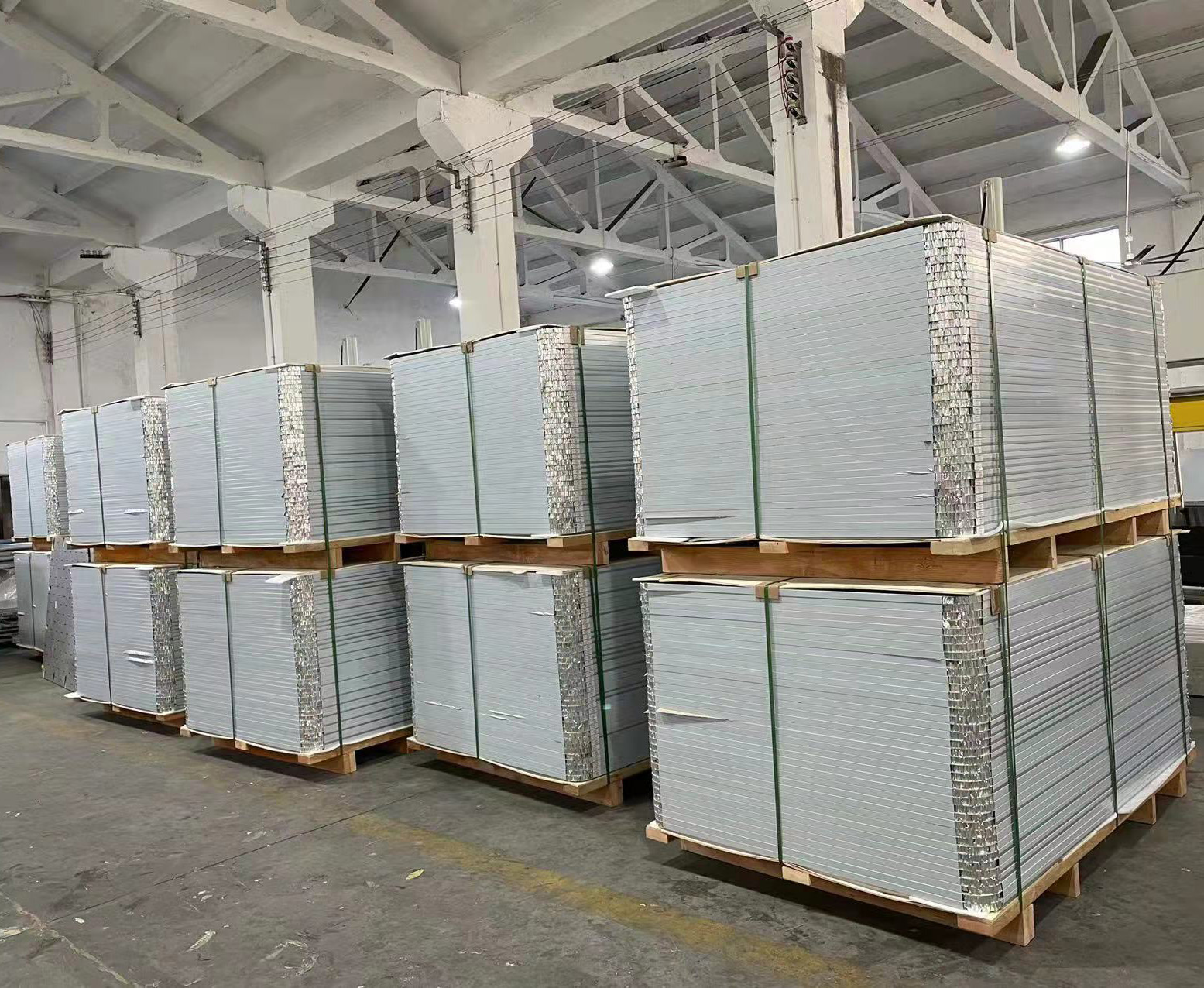
Aluminum Composite Panels (ACP) and honeycomb panels use different materials to achieve their performance. ACPs feature two aluminum sheets bonded to a polyethylene or fire-resistant core. This structure gives ACPs a balance of strength and flexibility. Honeycomb panels use two aluminum sheets with a honeycomb core made from materials like aluminum or thermoplastics. The honeycomb core creates a lightweight structure with high stiffness. Both types of panels are designed for durability and resistance to environmental factors. The choice of materials affects the panel’s weight, strength, and application.
| Panel Type | Face Material | Core Material | Key Feature |
|---|---|---|---|
| ACP | Aluminum | Polyethylene/FR Core | Flexible, lightweight |
| Honeycomb Panel | Aluminum | Honeycomb (Al/Plastic) | High stiffness, flatness |
Formability and Installation
Formability describes how easily panels can be shaped and installed. ACPs are known for their easy installation and cost-effectiveness. Builders can cut, bend, and shape ACPs with standard tools. This makes ACPs a preferred choice for many construction projects. Honeycomb panels require specialized installation techniques. The honeycomb structure demands careful handling to maintain flatness and strength. These panels often cost more to install because of the extra steps involved. Builders must consider installation time and complexity when choosing between ACPs and honeycomb panels.
Tip: ACPs are ideal for projects that need quick installation and flexible design. Honeycomb panels suit applications where strength and flatness are critical.
Sound and Thermal Insulation
Sound and thermal insulation are important for building comfort. ACPs provide moderate sound insulation. Honeycomb panels show variable sound insulation performance. The weakening factor, measured in decibels, can range from a few to several tens, depending on the panel’s structure. Honeycomb panels may not always match the mass law performance of other materials above certain frequencies. For thermal insulation, honeycomb panels excel, especially those with polyurethane or phase change materials. Their high stiffness and low density make them effective for eco-friendly buildings. ACPs offer basic thermal insulation but may not reach the same level as honeycomb panels.
Note: Honeycomb panels are a strong choice for projects that require advanced thermal management and energy efficiency.
Advantages and Disadvantages
Composite Panel Pros and Cons
Composite panels have become popular in modern construction. Builders often choose these panels for exterior wall cladding because of their durability and versatility. The table below shows the main advantages and disadvantages of using composite panels:
| Advantages | Disadvantages |
|---|---|
| Excellent Durability | Higher Initial Cost |
| Weather and UV Resistance | Color Fading Over Time |
| Low Maintenance Requirements | Limited Heat Resistance |
| Aesthetic Versatility | Non-Biodegradable Material |
| Environmentally Friendly | Can Be Slippery When Wet |
| Enhanced Insulation Performance | Possible Fading or Scratching |
| Fire Resistance (Depending on Type) | |
| Quick and Easy Installation | |
| Cost-Effective in the Long Run | |
| Moisture and Termite Resistance |
Composite panels offer strong protection against weather and moisture. Many panels resist termites and require little maintenance. Builders appreciate the quick installation process and the wide range of design options. Some panels provide fire resistance and improved insulation. However, these panels can have a higher initial cost. Color fading and scratching may occur over time. Limited heat resistance and slippery surfaces when wet are also concerns.
Tip: Composite panels are a smart choice for projects that need durability and design flexibility.
Honeycomb Panel Pros and Cons
Honeycomb panels are valued for their strength and lightweight design. These panels are often used for interior partitions and facade cladding. The main pros and cons include:
- High strength-to-weight ratio makes panels easy to handle and install.
- Panels deliver excellent flatness and uniformity for architectural applications.
- Superior sound insulation and flame retardant properties enhance safety.
- High initial cost results from complex manufacturing and skilled labor.
- Repairing damaged panels is difficult due to the honeycomb core.
- Moisture can damage panels if they are not properly sealed.
- Customizing panels for unique designs may take extra time and resources.
- Some panels show visible seams or less refined finishes.
- Recycling panels can be challenging because of mixed materials.
Honeycomb panels provide outstanding performance in demanding environments. Builders use these panels for projects that require strength, safety, and energy efficiency. Careful installation and maintenance help maximize their benefits.
Cost and Lifecycle Value
Initial Cost Comparison
Builders often compare the initial cost of panels before making a decision. Aluminum honeycomb panels usually have a higher upfront price because of their advanced structure and manufacturing process. Composite panels tend to be more affordable, especially for projects with tight budgets. The cost difference reflects the materials used and the complexity of the design. Many construction companies choose panels based on the balance between performance and price.
| Feature | Aluminum Honeycomb Panels | Composite Panels |
|---|---|---|
| Design Flexibility | High | Moderate |
| Panel Thickness Options | Various | Limited |
| Corrosion Management | Excellent | Moderate |
| Insulation Properties | Moderate | Excellent |
| Cost-Effectiveness | Competitive | High |
Maintenance and Longevity
The lifespan of panels depends on their quality and the environment. Regular maintenance helps extend the service life of both honeycomb and composite panels. Here are some key points:
- Honeycomb panels typically last between 10 to 25 years in exterior applications.
- High-quality honeycomb panels can reach up to 25 years, but harsh conditions may reduce this to 10-15 years.
- Composite panels often have a similar or longer lifespan, ranging from 15 to 50 years.
- Maintenance is crucial for exterior panels, especially in areas with extreme weather.
Panels that receive proper care can serve buildings for decades. Builders should inspect panels regularly and address any damage quickly.
Value Over Time
Panels offer value beyond their initial cost. Composite panels are known for excellent insulation, which can lower energy bills and improve comfort. Honeycomb panels provide strong performance and design flexibility, making them a smart investment for modern construction. The demand for lightweight and energy-efficient panels continues to grow. Choosing the right panels can lead to savings over the lifecycle of a building.
Tip: Investing in high-quality panels pays off in reduced maintenance costs and improved building performance.
Application Guide
Best Uses for Composite Panels
Composite panels fit many construction scenarios. Builders often select these panels for projects that need durability and easy installation. The table below shows where composite panels work best:
| Scenario | Description |
|---|---|
| Smaller Area of Protection | Ideal for homes with small coastal lines where storm impact is minimal. |
| Difficult to Access Areas | Preferred for locations that are hard to reach, as installation is quicker and easier. |
| Taller Seawalls | Best choice for taller seawalls due to their strength and impact resistance. |
| Highly Durable | Designed to withstand harsh conditions, ensuring a long lifecycle. |
| Steel Sheet Wall Replacement | Excellent option for replacing old steel sheet seawalls. |
| Cold Climates and Conditions | More suitable for colder waters, particularly in the Northeast shoreline. |
Tip: Composite panels offer reliable protection and are easy to install in challenging locations.
Best Uses for Honeycomb Panels
Honeycomb panels serve many purposes in modern construction. Their structure makes them strong and lightweight. The table below highlights ideal applications for honeycomb panels:
| Application Area | Benefits |
|---|---|
| Facades | Strong structure with reduced weight, enhancing building efficiency. |
| Interiors | Flexible installation and design options, suitable for modern aesthetics. |
| Sustainability | Efficient material use and lower environmental impact through lifecycle assessments. |
| Energy Efficiency | Traps air for better thermal insulation, reducing energy costs. |
| Design Flexibility | Allows for creative shapes and finishes, enhancing architectural appeal. |
Note: Honeycomb panels help architects create energy-efficient and visually appealing buildings.
Selection Factors for Modern Construction
Builders must consider several factors when choosing panels for a new project. Material quality affects durability and performance. Environmental conditions, such as moisture and temperature extremes, can influence how panels last over time. Honeycomb panels provide a strong structure while being lightweight, which reduces the load on the building and speeds up installation. These panels also support sustainability by using materials efficiently and lowering waste. Their design improves energy efficiency, helping to reduce heating and cooling costs. The lifespan of honeycomb panels can range from 15 to 50 years, depending on application and maintenance. Proper installation and regular care are important for maximizing durability. Some panels may show visible seams, which can affect the look of a building. Recycling honeycomb panels can be complex, so builders should consider environmental impact when making a selection.
Builders should match panel type to project needs, focusing on strength, energy efficiency, and design goals.
Choosing between composite and honeycomb panels depends on project needs. Honeycomb panels require specialized equipment and skilled labor, leading to higher initial costs. These panels offer long-term savings because they last longer and need less maintenance. Chenshou Tech’s Aluminum Honeycomb Panel stands out for its lightweight design, strength-to-weight ratio, and versatility in wall panels, ceilings, and partitions. Modern construction trends focus on energy-smart design and low-carbon materials. Advanced panels help builders create safer, more sustainable buildings.
FAQ
What makes honeycomb panels ideal for facade cladding?
Honeycomb panels offer high flatness and uniformity. Builders use them for facade cladding because they provide strength, lightweight design, and improved energy efficiency. Chenshou Tech’s Aluminum Honeycomb Panel enhances building aesthetics and performance.
How do composite panels differ from honeycomb panels in weight?
Composite panels use layered materials. Honeycomb panels feature a hexagonal core. Honeycomb panels are lighter and stronger for their weight. This makes them suitable for high-rise buildings and transportation applications.
Are honeycomb panels easy to install?
Honeycomb panels are lightweight and easy to handle. Builders can install them quickly. Chenshou Tech’s Aluminum Honeycomb Panel simplifies installation with its smooth surface and precise design.
Which panel type offers better sound insulation?
| Panel Type | Sound Insulation Level |
|---|---|
| Composite Panel | Moderate |
| Honeycomb Panel | Superior |
Honeycomb panels provide better sound insulation. Their structure absorbs noise, making them ideal for busy environments.
Post time: Apr-24-2026


